

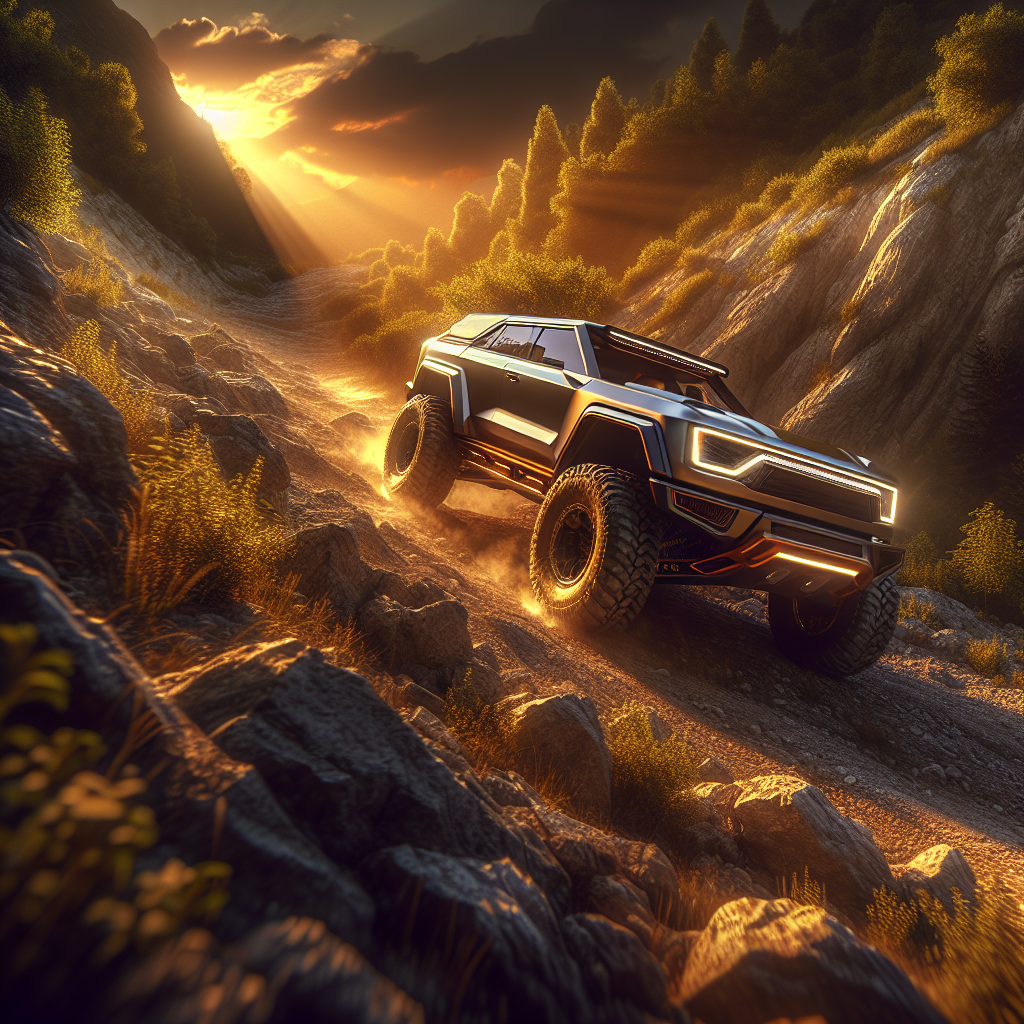
Why the New Nissan Xterra Changes Everything You Know About SUVs
Are we finally witnessing the ultimate off-road comeback with the new Nissan Xterra hitting the trails this season? When you think about rugged, body-on-frame SUVs that don’t cost a fortune, the choices have been pretty slim over the past decade. But the new Nissan Xterra is shaking things up big time. Listen, I have a massive soft spot for this nameplate. A few years back, a friend from Kyiv and I took a battered, heavily modified first-generation Xterra deep into the Carpathian Mountains. We were climbing mud-slicked trails near Yaremche, the rain was pouring down in sheets, and that old truck just refused to get stuck. It was raw, analog magic. Now, staring at the fresh redesign, the thesis is crystal clear: Nissan wants to deliver that exact same raw, unstoppable capability but pack it with modern comfort and everyday reliability.
You want a real truck, not a grocery-getter crossover pretending to be tough. The hype surrounding this release is massive, and rightfully so. We desperately need an honest utility vehicle that can handle our daily commutes on pothole-filled streets and still survive a brutal, rock-strewn weekend off the grid. So grab a coffee, pull up a chair, and let’s talk about what makes this machine tick, because frankly, it’s about time a manufacturer actually listened to what enthusiastic drivers want.
The core philosophy of the new Nissan Xterra revolves around pure, unadulterated utility wrapped in a highly functional design. You are not getting fake hood vents, useless plastic body cladding, or exhaust tips that don’t actually connect to the muffler. You are getting high-clearance steel bumpers, solid axle geometry in the rear, and approach angles that actually make sense for aggressive off-road trails.
Let’s look at the actual value proposition here. First, consider the integrated roof rack system. On older models, it was iconic but somewhat clunky and loud on the highway. Now, it features integrated aluminum tie-down points, a built-in light bar mounting slot, and aerodynamic crossbars that drastically reduce wind noise at highway speeds. Second, the washable cargo area is back and better than ever. You can throw your muddy hiking boots, wet camping gear, or even a couple of energetic dogs in the back, and just hose or wipe it all down later without ruining plush luxury carpets.
Here is a quick breakdown of how the engineering stacks up against the competition:
| Feature Concept | New Nissan Xterra | Typical Modern Crossover |
|---|---|---|
| Frame Construction | True Heavy-Duty Body-on-Frame | Unibody (Car Platform) |
| Off-Road Geometry | High Clearance & Factory Skid Plates | Low Plastic Bumpers & Air Dams |
| Rear Suspension | Solid Axle with Multi-link Coils | Independent (Squishy & Fragile) |
| Four-Wheel Drive | True 2-Speed Transfer Case (4-Low) | All-Wheel Drive (Clutch based) |
Why does all this mechanical hardware matter? Because real off-roading requires mechanical durability that software alone cannot fake. If you are planning to modify your rig, the foundation matters. Here are the main reasons you will appreciate this build:
1. Incredible structural rigidity that prevents the vehicle’s body from flexing, twisting, or creaking when climbing uneven rocks or traversing deep diagonal ruts.
2. Accessible aftermarket upgrade paths for suspension lifts, larger mud-terrain tires, and heavy-duty steel armor right out of the dealership gate.
3. Predictable power delivery engineered specifically for low-speed torque and crawling over obstacles, rather than just highway drag racing.
4. Simplified maintenance access under the hood, allowing you to actually reach the oil filter, spark plugs, and alternator without removing a dozen plastic covers.
This isn’t just clever marketing fluff. The engineering team specifically focused on delivering a driving experience that feels mechanically connected to the terrain underneath your tires.
The Origins of a True Legend
Let me take you back to the late nineties and early two-thousands. The original idea behind the Xterra was brilliantly simple: everything you need, nothing you don’t. It was marketed strictly to active, outdoor enthusiasts who actually used their outdoor gear. You didn’t buy it for luxury leather or premium sound systems; you bought it because it had a built-in first aid kit bulge on the rear tailgate, a massive tubular roof rack, and quirky stadium seating that let rear passengers see over the front seats. It was the anti-luxury SUV. People absolutely loved it for its sheer honesty, and it became a common sight at trailheads, surf beaches, and mountain passes across the globe.
The Quiet Years and the Discontinuation
Then came the dark times for off-roaders. As fuel emissions regulations tightened globally and average consumers started demanding softer, car-like rides with a dozen cup holders, panoramic sunroofs, and self-parking features, the rugged body-on-frame market shrank dramatically. The Xterra nameplate was quietly retired in most markets around 2015. We watched helplessly as unibody crossovers completely took over the roads. Sure, they were comfortable and got great fuel economy, but they couldn’t survive a real off-road trail without tearing their flimsy plastic bumpers off. Hardcore enthusiasts stubbornly kept their old Xterra models alive, swapping blown engines, welding rusted frames, and patiently waiting for the day the brand would wake up and realize the massive cultural gap they had left behind.
The Modern Revival in Current Times
Fast forward to today. As we navigate the rapidly changing automotive landscape of 2026, the pendulum has swung aggressively back. Drivers are sick and tired of fragile, overly complicated, jellybean-shaped commuter cars. We crave real adventure, tangible capability, and authentic, boxy design. The revival of the new Nissan Xterra is a direct response to this massive cultural shift. The manufacturer dug deep into their historical archives, looked at the skyrocketing auction prices of vintage 4×4 models, and realized the market was practically begging for a rugged, relatively affordable trail machine. The modern iteration pays immense respect to its roots with the iconic stepped roofline, the asymmetrical rear window, and muscular fender flares, but it introduces entirely new chassis dynamics that make it completely compliant and safe on modern highways. It is the perfect bridge between nostalgic, rugged utility and contemporary mechanical reliability.
Under the Hood Engineering and Powertrain
Let’s get a bit nerdy about what actually makes this thing move down the trail. The new Nissan Xterra utilizes a high-compression, naturally aspirated V6 power plant combined with a heavily reinforced automatic transmission designed specifically for thermal efficiency under heavy, sustained loads. Thermal efficiency is just a highly technical way of saying the engine converts more of the fuel’s raw energy into forward motion rather than wasting it as destructive heat. When you are crawling up a steep, rocky incline in low gear on a hot summer day, heat dissipation is absolutely critical. The internal cooling jackets around the engine cylinders have been thoroughly optimized using advanced computational fluid dynamics. This ensures that even if you are moving at merely three miles per hour at high RPMs in deep mud, the engine won’t boil over and leave you stranded.
Suspension and Chassis Dynamics
The real science, however, is hidden underneath the floorboards. The chassis uses advanced high-tensile steel alloys, which offer a brilliant strength-to-weight ratio. The front suspension utilizes an independent double-wishbone setup. This geometry keeps the tire’s contact patch perfectly flat on the ground during massive suspension travel, maximizing your grip on uneven terrain. In the rear, we are looking at a modern solid axle layout suspended by heavy-duty coil springs rather than the old-school, bouncy leaf springs of the past. This provides a massive leap in everyday ride comfort without sacrificing your cargo payload capacity.
Check out these hardcore technical facts that make it special:
- Advanced traction management software that constantly analyzes individual wheel slip over 500 times per second to distribute engine torque instantly where it is needed most.
- An electronic locking rear differential that physically binds the left and right rear axles together for 100% equal power distribution, preventing the classic one-wheel-peel on loose dirt.
- Brake-based torque vectoring on the front axle, seamlessly simulating a mechanical front locker without adding the massive weight, cost, and mechanical complexity.
- Dynamic, fluid-filled engine mounts that use active vibration cancellation to dampen harsh mechanical vibrations before they ever reach the passenger cabin.
- A high-capacity 200-amp alternator designed specifically straight from the factory to support aftermarket electric winches, massive LED light bars, and overlanding refrigerators without killing your battery.
Day 1: Visual Inspection & Cabin Setup
Let’s say you just brought your brand-new Nissan Xterra home from the dealership. Spend your entire first day getting completely familiar with the physical layout. Adjust the iconic stadium seating to your exact height, set up your blind-spot mirrors, and configure the digital instrument cluster to show your vital off-road gauges, like pitch, roll, and transmission fluid temperature. Learn exactly where your physical differential lock and 4×4 engagement buttons are by pure touch, before you actually need them in a stressful, muddy situation.
Day 2: Urban Driving Dynamics
Take the vehicle around your local town. It is a genuine truck, so you need to feel its turning radius and stopping distance. Practice parking in tight grocery store spots to understand exactly where the squared-off corners of the hood end. The hydraulic-assisted steering will naturally feel slightly heavier and more communicative than a typical electric steering rack on a crossover; spend the day getting used to this wonderful mechanical feedback.
Day 3: Highway Cruising & Tech Calibration
Hit the open interstate. Test out the adaptive cruise control and lane-keeping assist features on a long stretch of road. Notice the slight wind noise around the tubular roof rack—it is part of the rugged charm. Pay close attention to the engine RPMs at highway speeds to understand your optimal cruising velocity for maximizing your fuel efficiency on long overlanding road trips.
Day 4: Light Gravel & Trail Testing
Find a local dirt road, fire road, or gravel trail. Shift the transfer case into 4-High while moving at a moderate speed to ensure the system engages smoothly and silently. Feel how the new coil-sprung suspension confidently absorbs nasty washboard surfaces and potholes. You will instantly notice how much more composed and planted it is compared to the older, stiffer generations.
Day 5: Water Crossing Mechanics
Locate a shallow, clearly marked, safe water crossing or a deep puddle on a trail. Review your owner’s manual for the maximum safe wading depth. Enter the water slowly at a steady angle, allowing the front bumper to create a gentle bow wave. Maintain a steady, unwavering throttle input to keep your exhaust pressure high, effectively preventing water from flowing backward up the tailpipe. Feel the sheer chassis stability as the aggressive tires grip the slippery, wet rocks hidden beneath the surface.
Day 6: Rock Crawling & Low-Range Engagement
Time for the rough stuff. Bring the vehicle to a complete stop, put the transmission in neutral, and firmly shift the transfer case into 4-Low. Engage the electronic rear locker. Find some mild, stepped rocks or deep, dry ruts. Practice the art of two-foot driving—using your left foot lightly on the brake pedal and your right foot on the gas to smoothly and precisely control your momentum over jagged obstacles without jarring the suspension.
Day 7: Full Off-Grid Expedition
Load up the washable back cargo area with your favorite camping gear, a heavy cooler, and your emergency recovery equipment. Head out for an overnight trip miles away from annoying cell service. Use the built-in cargo tie-downs on the floor and ceiling. This is exactly what the vehicle was built and engineered for. Sleep under the stars, make some fresh coffee on the fold-down tailgate, and deeply appreciate the absolute freedom a real 4×4 provides.
Let’s clear up some absolute nonsense floating around the internet forums right now.
Myth: The new Nissan Xterra is just a generic crossover with a rugged body kit slapped on it to fool buyers.
Reality: Absolutely false. It sits on a dedicated, fully boxed ladder frame architecture, meaning the steel body is bolted to a completely separate heavy-duty steel frame, just like a true heavy-duty pickup truck.
Myth: The fuel economy is going to drain your wallet instantly the moment you leave the driveway.
Reality: While it certainly won’t beat a hybrid commuter hatchback, modern direct fuel injection, advanced 9-speed transmission gearing, and active aerodynamic tweaks have drastically improved its highway mileage compared to the gas-guzzling V6 models of the early 2000s.
Myth: The ride is far too stiff, bouncy, and punishing for daily family use and school drop-offs.
Reality: Thanks to the massive engineering switch to a multi-link rear coil suspension geometry, the brutal harshness of old solid leaf springs is completely gone. It absorbs city potholes and speed bumps effortlessly.
Myth: Because it is rugged, it completely lacks modern interior safety technology and conveniences.
Reality: You get all the essential modern connectivity, crisp digital displays, and active safety sensors, but Nissan intentionally kept large physical, tactile buttons for climate and 4×4 controls because touchscreens notoriously fail when you have freezing, muddy gloves on.
Is the new Nissan Xterra a true body-on-frame SUV?
Yes, absolutely. It utilizes a highly robust, fully boxed ladder frame designed specifically for heavy off-road abuse, twisting trails, and long-term towing durability.
Does the new Nissan Xterra have a manual transmission option?
Currently, the engineering focus is solely on a highly durable, quick-shifting automatic tuned specifically for low-end off-road torque multiplication, though hardcore enthusiasts keep actively begging the manufacturer for a manual gearbox.
What is the towing capacity like?
It easily competes with modern mid-size pickup trucks, offering more than enough pulling power and frame rigidity to safely handle a medium-sized travel trailer, a pair of jet skis, or a heavy boat.
Are there factory locking differentials available?
Yes, a highly responsive electronic locking rear differential is available on the off-road trims, giving you massive, undeniable traction advantages on steep, loose, or muddy terrain.
How does it compare to its main off-road competitors?
It offers a brilliant, highly logical middle ground—significantly more affordable and practical than ultra-luxury off-roaders, but mechanically vastly superior to standard, flimsy unibody SUVs.
Can I sleep comfortably in the back during camping trips?
Yes. With the rear seats folded completely flat and the front seats pushed all the way forward, most average-height adults can stretch out perfectly with a thick sleeping pad, making it an excellent overland camper.
What kind of warranty coverage is provided from the dealership?
It comes standard with a highly competitive powertrain warranty, fully guaranteeing the engine, transmission, and four-wheel-drive components against any rare factory defects.
Are the iconic tubular roof racks functional or just for retro show?
They are intensely functional, featuring heavily reinforced built-in tie-down cleats and capable of safely supporting very heavy dynamic and static loads, including massive rooftop tents for overlanding.
So, there you have it, my friends. The new Nissan Xterra isn’t just a cheap, nostalgic cash grab designed by marketing executives; it is a meticulously engineered, incredibly capable machine built strictly for people who actually want to go outside, explore the unknown, and get dirty. It perfectly blends the analog, rugged toughness we so desperately missed over the last decade with the modern mechanical reliability and safety we absolutely need today. If you are exhausted by boring, generic commuter pods and want a robust vehicle that inspires genuine adventure every single time you turn the key in the ignition, it is time to take one for a serious test drive. Go grab the keys from your local dealer, find a muddy dirt road, and experience the absolute thrill for yourself.



Leave a Reply