

Why the Subaru Forester 2025 is Still Making Waves
Let me tell you, getting behind the wheel of the Subaru Forester 2025 completely shifted my perspective on what a compact SUV can actually do on those rough, unpredictable roads. You know how it is when you need a car that can handle the grocery run on a Tuesday and then conquer a muddy mountain trail on a Saturday? This vehicle is the literal definition of doing both without breaking a sweat. The core thesis here is simple: this rugged crossover blends exceptional all-wheel-drive capability with family-friendly practicality, proving you absolutely do not need a massive, gas-guzzling rig to conquer both slick city streets and rutted dirt paths.
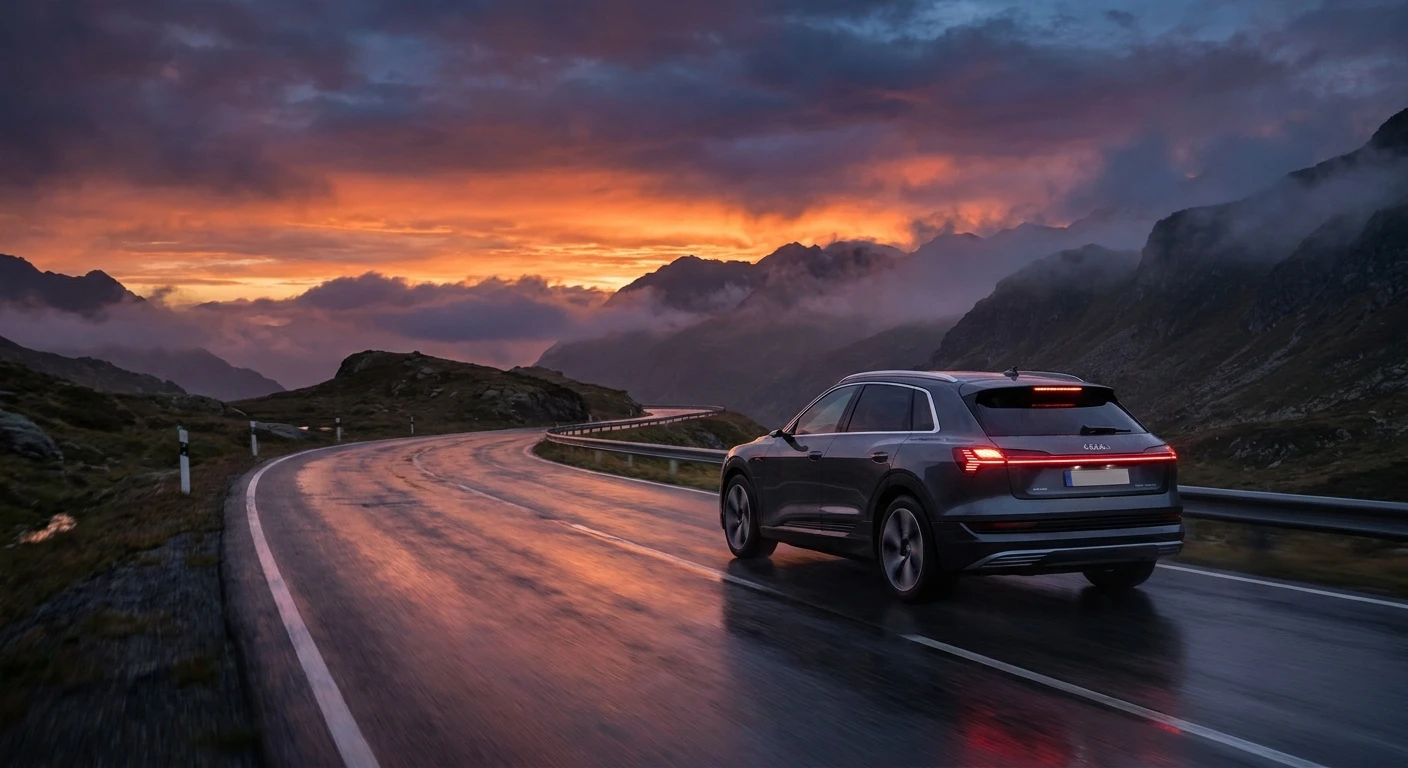
I clearly remember a trip I took last fall. I drove a buddy’s brand-new model straight out of Kyiv and headed up into the Carpathian mountains near Yaremche. If you’ve ever driven those twisting, mist-covered mountain passes, you know they test every single component of a vehicle’s suspension and traction systems. The way the chassis absorbed the deep potholes while the symmetrical all-wheel drive clawed up the wet gravel inclines was frankly unbelievable. Now that we are fully living in 2026, I see these vehicles absolutely everywhere on our local roads, and it is entirely obvious why families and adventurers alike are choosing them over the competition. It just plain works, day in and day out.
The Real Benefits: What You Need to Know
When you are spending your hard-earned cash on a family vehicle, you need to know exactly what you are getting. The value proposition of this machine comes down to two major advantages. First, the standard safety suite acts like an invisible co-pilot. I have personally experienced the automatic pre-collision braking kick in when a stray dog ran into the road, saving both the animal and my front bumper. Second, the residual resale value is absurdly good. You can drive this thing for five years and still get a massive chunk of your investment back because the used market is always hungry for them.
Let’s look at how the different trim levels break down in terms of value:
| Trim Level | Estimated Starting Price | Standout Feature |
|---|---|---|
| Base | $29,695 | Dual 7-inch Starlink screens & standard AWD |
| Premium | $31,995 | 11.6-inch touchscreen display & X-Mode |
| Touring | $39,995 | Leather-trimmed upholstery & 360-degree camera |
If you are trying to figure out why this car feels so radically different from a standard front-wheel-drive crossover, it comes down to a few very specific design choices that the engineers obsessed over. Here are the top three reasons it drives the way it does:
- Exceptional Visibility: They designed the greenhouse (the windows and pillars) to minimize blind spots. You literally feel like you are sitting inside a helicopter cockpit, making tight parking maneuvers incredibly easy.
- Rugged Cargo Space: The rear liftgate opening is exceptionally wide, and the load floor is low. You can slide heavy camping coolers or large pet crates straight in without straining your back.
- The X-Mode Magic: Pushing that X-Mode button instantly reprograms the transmission, engine output, and traction control to handle deep mud or snow. It is basically a cheat code for bad weather.
The Humble Origins of the Forester
To really appreciate where we are today, we have to look back at the late 1990s. Back then, SUVs were massive, body-on-frame trucks that drove like farm equipment and chugged fuel like there was no tomorrow. The engineers in Japan had a brilliant idea: what if they took the reliable, proven platform of a standard station wagon, raised the suspension, and gave it a boxy, utilitarian body? The result was the very first generation, launched in 1997. It was marketed heavily with a rugged, outdoorsy vibe, famously featuring Australian actor Paul Hogan in the commercials. It was an instant hit because it offered car-like handling with the ground clearance of a truck.
The Evolution from Wagon to Crossover
As the years went on, the vehicle slowly morphed. By the time the third generation arrived around 2009, it had officially shed its station wagon roots. It grew taller, the window frames (which were famously absent in older models) were added for better sound insulation, and the suspension was beefed up. The fourth and fifth generations brought massive leaps in technology, introducing the EyeSight driver assist system and the incredibly smooth continuously variable transmission (CVT). People grumbled about losing the manual transmission option, but the sales numbers proved that the market wanted comfort and efficiency above all else.
The Modern State: A Complete Redesign
Now, looking at the current iteration, it is clear that the brand listened to their core demographic. The chassis has been stiffened significantly, which reduces body roll on sharp corners and makes the cabin whisper-quiet on the highway. The exterior styling is much more aggressive, with sharper angles and a bolder front grille that commands respect on the road. We are also seeing the implementation of advanced hybrid technologies to keep up with stringent emissions regulations, proving that this old dog can absolutely learn new tricks while staying true to its roots.
The Physics Behind Symmetrical AWD
Listen, you hear the marketing term “Symmetrical All-Wheel Drive” thrown around a lot, but the physics behind it is actually fascinating. Unlike a lot of slip-and-grip systems that only send power to the rear wheels after the front wheels are already spinning uncontrollably, this system is inherently balanced. Because the engine, transmission, and driveshaft are all mounted perfectly down the center line of the chassis, the half-shafts that go to the wheels are equal lengths. This means there is no torque steer when you accelerate hard. Power flows in a straight line, which is mechanically highly efficient and provides immediate, predictable traction in split-second emergency situations.
Unpacking the Boxer Engine Geometry
The heart of the vehicle is the Boxer engine, and it is a massive part of why the car handles so well despite having 8.7 inches of ground clearance. Instead of the cylinders firing up and down like in a normal inline engine, they punch outward horizontally, like two boxers throwing gloves at each other. Let’s look at the hard scientific facts behind this engineering choice:
- Natural Vibration Cancellation: Because the pistons move in direct opposition, their physical forces cancel each other out, resulting in a naturally smooth-running engine without the need for heavy balance shafts.
- Lower Center of Gravity: A flat engine sits much closer to the ground. This drastically lowers the vehicle’s center of gravity, meaning it resists rolling over during high-speed evasive maneuvers.
- Improved Crash Safety: In the event of a severe frontal collision, the engine is designed to slide underneath the passenger cabin rather than being pushed violently into the driver’s lap.
- Thermal Efficiency: Modern iterations of the 2.5-liter engine utilize direct injection and higher compression ratios to squeeze maximum thermal energy out of every single drop of gasoline.
Day 1: Mastering the 11.6-Inch Starlink Interface
When you first get the keys, the massive vertical touchscreen can feel a bit overwhelming. Spend your first day just sitting in the driveway. Connect your phone via wireless Apple CarPlay or Android Auto, organize the widgets on the home screen so your most-used apps are at the top, and tweak the equalizer settings for the Harman Kardon audio system. Getting comfortable with the digital hub makes everything else easier.
Day 2: Dialing in Your EyeSight Safety Preferences
The safety cameras mounted near the rearview mirror are constantly watching the road. On day two, dig into the menus and adjust the sensitivity. If you find the lane departure warning too aggressive for narrow city streets, you can lower the warning volume or adjust the steering assist strength. Make the car work for your specific driving style.
Day 3: Testing the X-Mode on Local Trails
You didn’t buy this thing just to drive to the mall. Find a local dirt road or a mild off-road trail. Press the X-Mode button and feel how the throttle response softens so you don’t dig yourself into soft dirt. Pay attention to how the hill descent control automatically brakes for you on steep downward slopes. It is a surreal feeling letting the car do the braking.
Day 4: Organizing the Cargo Space for Gear
Take an afternoon to figure out the back. Drop the rear seats completely flat using the quick-release levers in the trunk. Look at the clever under-floor storage compartments where you can stash muddy boots or emergency tools. If you have roof crossbars, practice tying down your kayak or mounting your cargo box so you are ready for the weekend.
Day 5: Understanding the CVT and Paddle Shifters
While the continuously variable transmission doesn’t have traditional gears, the steering wheel paddle shifters simulate gear steps. On day five, take a drive on a curvy road and practice using the paddles to downshift before a corner. It gives you excellent engine braking and makes you feel much more connected to the driving experience.
Day 6: Setting Up Driver Profiles and Facial Recognition
If you share the car with a spouse or teenager, use the DriverFocus facial recognition system. It literally scans your face when you get in and automatically adjusts the seat position, side mirrors, and climate control to your specific profile. Spend day six getting everyone’s face scanned and settings saved.
Day 7: The First Proper Highway Road Trip
By day seven, you are ready for a long haul. Get out on the interstate, set the adaptive cruise control, and let the advanced lane-centering technology reduce your driving fatigue. Notice how quiet the cabin is and how effortlessly it cruises at 75 miles per hour. This is where you truly bond with the vehicle.
Myths vs. Reality on the Road
There is a lot of bad information floating around out there on car forums, so let’s clear up some misconceptions right now.
Myth: The CVT transmission makes the car feel slow and rubbery.
Reality: The modern programming simulates gear shifts brilliantly. Unless you are drag racing, it feels smooth, responsive, and incredibly natural during everyday driving.
Myth: Boxer engines are notorious for burning massive amounts of oil.
Reality: That was a genuine issue in the models from 15 years ago. The modern engines have completely redesigned piston rings and gaskets. Oil consumption is no longer a concern if you follow standard maintenance schedules.
Myth: You need a locking differential for real off-roading.
Reality: The advanced brake vectoring system pinches the brakes on a spinning wheel, forcing power instantly to the wheel with grip. It simulates a mechanical locker so well that you will barely notice the difference on standard trails.
Does it have wireless Apple CarPlay?
Yes, the upgraded 11.6-inch infotainment screen features fully wireless Apple CarPlay and Android Auto integration, allowing you to leave your phone in your pocket while driving.
What is the fuel economy like?
It is quite impressive for a permanent all-wheel-drive vehicle. You can expect around 26 mpg in stop-and-go city traffic and up to 33 mpg on the highway, making it very budget-friendly.
Can it tow a camper?
The standard towing capacity is rated at 1,500 pounds. While you won’t be pulling a massive airstream, it is perfectly capable of towing a small teardrop camper, a utility trailer, or a couple of jet skis.
Is the Wilderness trim coming back?
Absolutely. The brand knows how wildly popular the Wilderness edition is, and the updated version features even more ground clearance, all-terrain tires, and a ruggedly revised suspension setup.
How does it handle in deep snow?
Honestly, it is an absolute snowmobile. Combined with a good set of winter tires, the active torque split and dedicated deep snow X-Mode setting will easily plow through unplowed neighborhood streets and blizzard conditions.
What size are the tires?
Tire sizes vary slightly by trim, but most models ride on either 17-inch or 18-inch alloy wheels. The taller sidewalls on the 17-inch rims actually provide a slightly softer ride on broken pavement.
Is the suspension too stiff for city driving?
Not at all. The engineers specifically tuned the dampers to eat up speed bumps and potholes. It strikes a fantastic balance between absorbing harsh impacts and keeping the chassis planted in corners.
Does it have a spare tire?
Yes, unlike many modern cars that just give you a can of fix-a-flat spray, this vehicle comes with a spare tire stored under the cargo floor, which is an absolute lifesaver on remote trails.
Look, finding the perfect daily driver is tough, but the truth is that this machine checks almost every single box for the average driver. From the robust safety features to the genuine off-road capability, it just makes life easier. If you are still on the fence, do yourself a huge favor, head down to your local dealership, and book a test drive today. You really have to feel the stability for yourself to truly understand the hype!





Leave a Reply