

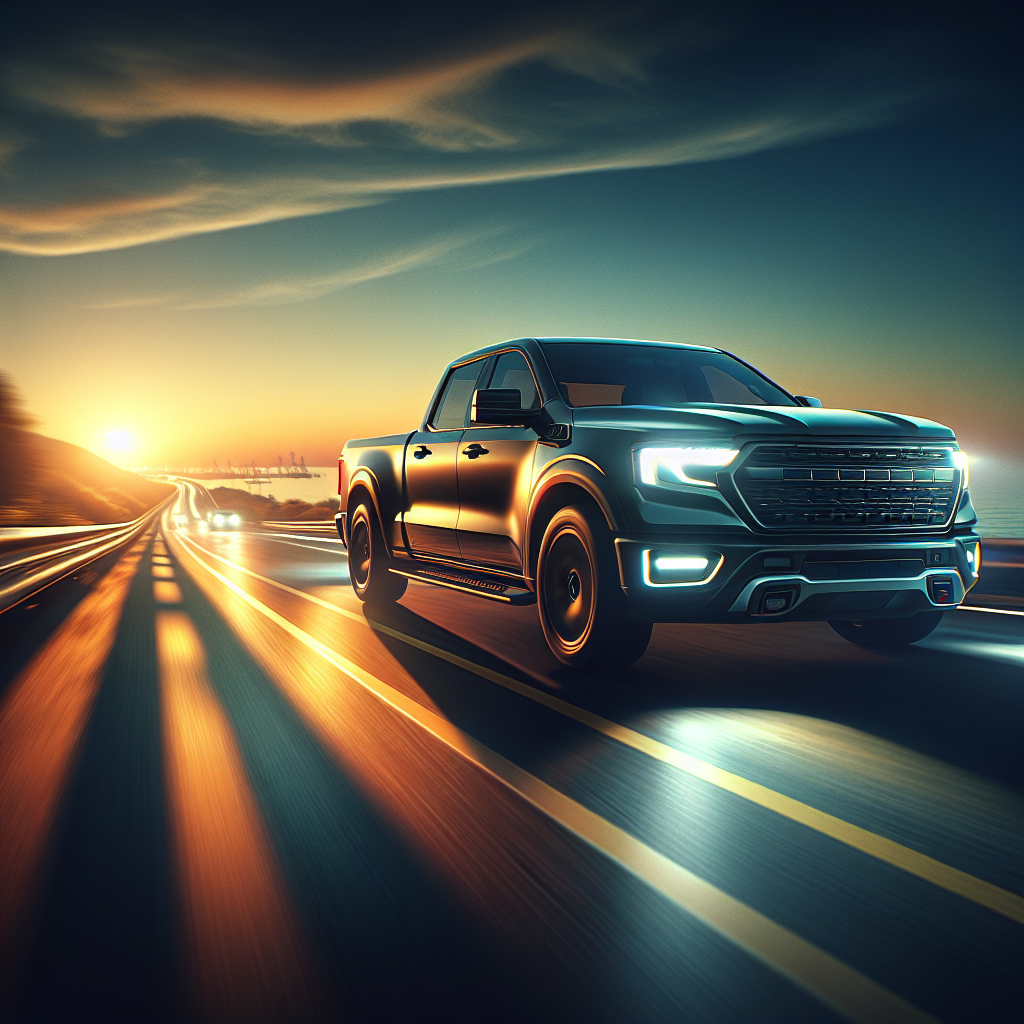
Why the f150 lobo is the Ultimate Street Truck
Have you ever felt the deep, resonating rumble of an f150 lobo passing by and immediately wondered what makes it so radically different from a standard pickup? You aren’t alone. Hey guys, let’s talk about a machine that has entirely redefined the concept of a modern street truck. To put things into perspective, I have to tell you a quick story. Last month, my buddy Artem managed to get a pristine, lowered f150 lobo imported straight to Ukraine. The truck arrived at the port in Odesa, and we drove it all the way up to Kyiv. Cruising through the local highways and navigating the winding roads near the Carpathian mountains in a vehicle built for pure street performance was an absolute revelation. It grabbed the attention of absolutely everyone. The aggressive stance, the tuned exhaust note echoing against the concrete barriers, and the sheer acceleration made it clear: this isn’t your average utility hauler. The f150 lobo bridges the massive gap between a daily work vehicle and a weekend track monster. In a market totally obsessed with high-riding off-roaders and massive lift kits, returning to a lowered, aerodynamic, asphalt-hugging pickup feels incredibly refreshing. Let me walk you through exactly why this specific truck is making such massive waves across the automotive community.
The Core Mechanics: Performance Meets Utility
Understanding the hype around this truck requires looking closely at its specific engineering philosophy. The f150 lobo is designed with an entirely different purpose than its off-road siblings. Instead of aiming for maximum ground clearance and rock-crawling capability, the engineers focused heavily on cornering speed, high-speed stability, and aggressive street aesthetics. They essentially created a sports car trapped in a pickup truck’s body.
| Feature | F150 Lobo | F150 Tremor | F150 Raptor |
|---|---|---|---|
| Primary Focus | Street Performance & Track | Light Off-Road Utility | High-Speed Desert Running |
| Suspension Stance | Significantly Lowered | Slightly Lifted | Massively Lifted & Widened |
| Tire Setup | Low-Profile Performance | All-Terrain | Massive 35 or 37-inch Mud/Off-Road |
| Exhaust Tone | Deep, Street-Tuned Rumble | Standard V8/EcoBoost | Aggressive Baja Style |
The core value proposition here is simple: you get the absolute thrill of a performance vehicle without totally sacrificing the immense utility of a truck bed. Let me give you two specific examples of how this plays out in real life. First, imagine showing up to a local autocross track event. While everyone else is squeezing into tiny two-seater coupes, you pull up in a massive pickup that somehow manages to lay down lap times right on their tail thanks to its specially tuned suspension. Second, think about your daily commute. Instead of wrestling with a giant, top-heavy off-road truck that rolls through corners, you get tight, precise steering and zero body roll when navigating city streets.
If you are on the fence, here are three highly specific reasons to choose the Lobo over anything else:
- Unmatched Street Presence: The factory lowered stance and aggressive front fascia give it a look you usually only get after spending thousands on aftermarket modifications.
- Ready-to-Race Performance: Thanks to upgraded cooling, specialized brakes, and performance-oriented gearing, it begs to be driven hard on the pavement.
- Retained Practicality: Even with its street-focused DNA, you can still easily throw a couple of dirt bikes, a load of lumber, or your entire camping setup right into the bed without hesitation.
Origins of the Name
To truly appreciate this truck, we need to trace back its incredibly interesting lineage. The name “Lobo” translates strictly to “Wolf” in Spanish. For decades, Ford used the Lobo nameplate exclusively in the Mexican market for their higher-end F-150 models. Down in Mexico, if you bought a base work truck, it was an F-150. But if you bought a luxury or performance-oriented trim, you were driving a Lobo. It carried a massive cultural weight, symbolizing power, dominance, and a premium automotive lifestyle. The brand eventually recognized that this moniker had massive potential far beyond just one specific regional market.
The Evolution of the Street Truck
Long before the Lobo badge hit the global performance scene, we had the legendary SVT Lightning. Back in the late 90s and early 2000s, street trucks were the absolute peak of cool. People loved the idea of throwing a massive supercharged engine into a regular cab pickup and racing sports cars from a red light. However, as the market shifted heavily toward off-road vehicles like the Raptor in the 2010s, the street truck concept seemingly died out. Enthusiasts were forced to buy standard trucks and lower them using expensive aftermarket parts. The evolution of the Lobo represents a massive return to factory-built street performance, blending the raw, nostalgic appeal of the Lightning with the incredibly advanced technology of modern engineering.
The Modern State in 2026
As we sit here deep into 2026, the automotive landscape has completely shifted again. Consumers are experiencing a bit of off-road fatigue. Not everyone wants a truck that looks ready for the Baja 1000 when they only drive on paved roads. The modern iteration of the f150 lobo perfectly captures this new wave. It offers incredibly advanced aerodynamics, sophisticated adaptive suspension systems that adjust hundreds of times per second, and engines tuned specifically for top-end highway pulls rather than low-end rock crawling. It is a highly refined predator on the asphalt, bringing back the golden era of the muscle truck but with completely modernized dynamics.
Powertrain Mechanics
Let’s talk about what makes this thing move with such terrifying urgency. The heartbeat of the f150 lobo isn’t just a standard engine ripped from a base model. The engineers specifically tuned the powertrain to deliver power instantly to the pavement. They modified the engine mapping to hold gears slightly longer, ensuring that the turbos stay spooled and the powerband remains highly accessible. The transmission features modified shift points, giving you aggressive, punchy gear changes when you have the throttle pinned, yet it remains buttery smooth when you are just cruising to the grocery store. The exhaust system features active valving, allowing you to switch between a quiet, neighbor-friendly hum and a totally unrestricted, roaring exhaust note at the push of a button.
Suspension Geometry
The real magic happens underneath the chassis. To make a heavy pickup handle like a sports sedan, you have to completely rethink the suspension geometry. The f150 lobo features lowered control arms, specifically designed spring rates, and upgraded sway bars that virtually eliminate the body roll typically associated with heavy trucks.
- Lowered Center of Gravity: By dropping the ride height by several inches compared to a standard 4×4, the truck stays incredibly planted through sharp corners.
- Performance Shocks: Specially valved dampeners control the weight transfer perfectly, keeping the massive tires pressed firmly against the asphalt.
- Upgraded Braking System: Larger rotors and performance calipers ensure that you can scrub off high speeds repeatedly without dealing with massive brake fade.
- Staggered Tire Setup: Running wider tires in the rear helps manage the massive torque output, completely preventing unwanted wheel spin during hard launches.
Day 1: Delivery and Initial Inspection
When you finally get your hands on your new f150 lobo, the first day should be all about careful inspection. Walk around the truck, admire the lowered stance, and check all the factory paint. Look closely at how the performance tires sit completely flush with the aggressive wheel arches. Take it for a very gentle drive around your neighborhood to listen for any specific rattles and get entirely used to the drastically lower seating position compared to a standard pickup.
Day 2: Paint Protection and Detailing
Because you will be driving this machine primarily on the highway and street, it will absolutely attract rock chips. Spend your second day getting a high-quality ceramic coating or a complete paint protection film (PPF) applied to the front bumper, hood, and mirror caps. Protecting that aggressive front fascia early on will save you a massive headache later.
Day 3: Suspension Settling and Alignment Check
After putting a few miles on the clock, the factory lowered suspension will start to settle into its final resting height. This is the absolute perfect time to take the truck to a highly trusted local shop and have the wheel alignment perfectly zeroed out. Factory alignments can sometimes be slightly off, and to get the most out of those expensive street tires, you need the geometry entirely precise.
Day 4: The Engine Break-In Drive
Now that the truck is protected and aligned, it is time to hit the open road. Plan a solid 200-mile highway route. Vary your RPMs frequently. Do not just set the cruise control at a static speed; accelerate smoothly, decelerate naturally, and let the engine components heat cycle properly. This crucial break-in period guarantees long-term reliability and peak horsepower output.
Day 5: Customizing the Drive Modes
Spend a few hours entirely familiarizing yourself with the digital interface. The f150 lobo offers multiple customizable drive modes. Set up your “Custom” profile. Personally, I recommend setting the steering to “Sport” for heavy, precise feedback, leaving the suspension in “Normal” for street compliance, and setting the exhaust to “Track” because you always want to hear that beautiful engine note.
Day 6: Bed Utility Setup
It is still a truck, after all! Take this day to install a high-quality, flush-mounted tonneau cover. A flush cover perfectly compliments the aerodynamic, sleek look of the truck while keeping your gear totally secure and dry. Add a rubber bed mat to prevent your cargo from sliding around when you inevitably take a corner way faster than you should.
Day 7: The First Canyons or Track Day
The break-in is finished, the truck is perfectly dialed in, and you are ready. Find a local winding road or an open track day event. Push the truck to its limits safely. Feel how the lowered center of gravity entirely eliminates body roll. Experience the massive braking power. This is the day you totally realize why you bought a street truck instead of an off-roader.
Myths vs. Reality
Myth: The f150 lobo is just a massive waste of money on an appearance package.
Reality: Absolutely not. While it looks incredible, the suspension modifications, specialized steering racks, and highly tuned engine mapping make it a fundamentally different driving experience from a base truck. It is heavily re-engineered.
Myth: You entirely lose your ability to tow heavy loads.
Reality: While the significantly lowered suspension might slightly reduce the absolute maximum payload compared to a heavy-duty work truck, it retains more than enough towing capacity to pull a boat, a heavy car trailer, or massive loads of equipment without breaking a single sweat.
Myth: It rides incredibly terribly because it is lowered.
Reality: Advanced adaptive damping technology ensures the ride remains exceptionally smooth over standard bumps. It is heavily tuned for high-speed stability, not harshness. It absorbs road imperfections significantly better than old-school lowered trucks.
Myth: It is strictly available only in the Mexican market.
Reality: While the name originated there, the new performance street truck trim has been fully launched globally, meeting massive demand from enthusiasts entirely across the world.
Frequently Asked Questions
What exactly does the word Lobo mean?
It translates to “Wolf” in Spanish. Ford has historically used it in Mexico to denote their premium, top-tier truck models, differentiating them from basic utility workers.
Is the f150 lobo truly fast?
Yes, absolutely. With specialized engine tuning, rapid-shifting transmission calibration, and incredibly grippy street tires, its 0-60 mph times easily rival dedicated modern sports cars.
Can I take this truck off-roading?
You probably shouldn’t. The lowered ride height and highly specific street-compound tires make it totally unsuitable for mud, deep rocks, or heavy trails. Stick to the asphalt.
Does it come with a V8 or a V6?
Depending on the specific market and option package, it features massively powerful forced-induction options, heavily utilizing high-output twin-turbo V6 technology that produces incredible torque.
Is the truck genuinely lowered straight from the factory?
Yes. You get a fully warrantied, heavily engineered dropped stance directly off the showroom floor. No sketchy aftermarket suspension cut-jobs required.
What is the overall payload capacity?
While exact numbers vary entirely by cab configuration, it typically hovers right around the standard light-duty truck range, easily handling upwards of 1,500 pounds in the bed.
Are these trucks available to buy in Europe?
Availability is highly dependent on regional import regulations. However, specialized importers are currently bringing these incredibly unique vehicles to European enthusiasts who demand absolute street dominance.
Final Thoughts on the Lobo
If you genuinely love the sheer utility of a pickup but desperately crave the adrenaline, aggressive styling, and tight handling of a dedicated sports car, the f150 lobo is the ultimate answer. It entirely breaks the mold of what a modern truck should be, proving that asphalt-focused performance is totally back in style. Stop settling for massive, lifted, clumsy off-roaders if you never leave the pavement. Head down to your local dealer, request a test drive, and feel the pure street performance for yourself!





Leave a Reply