

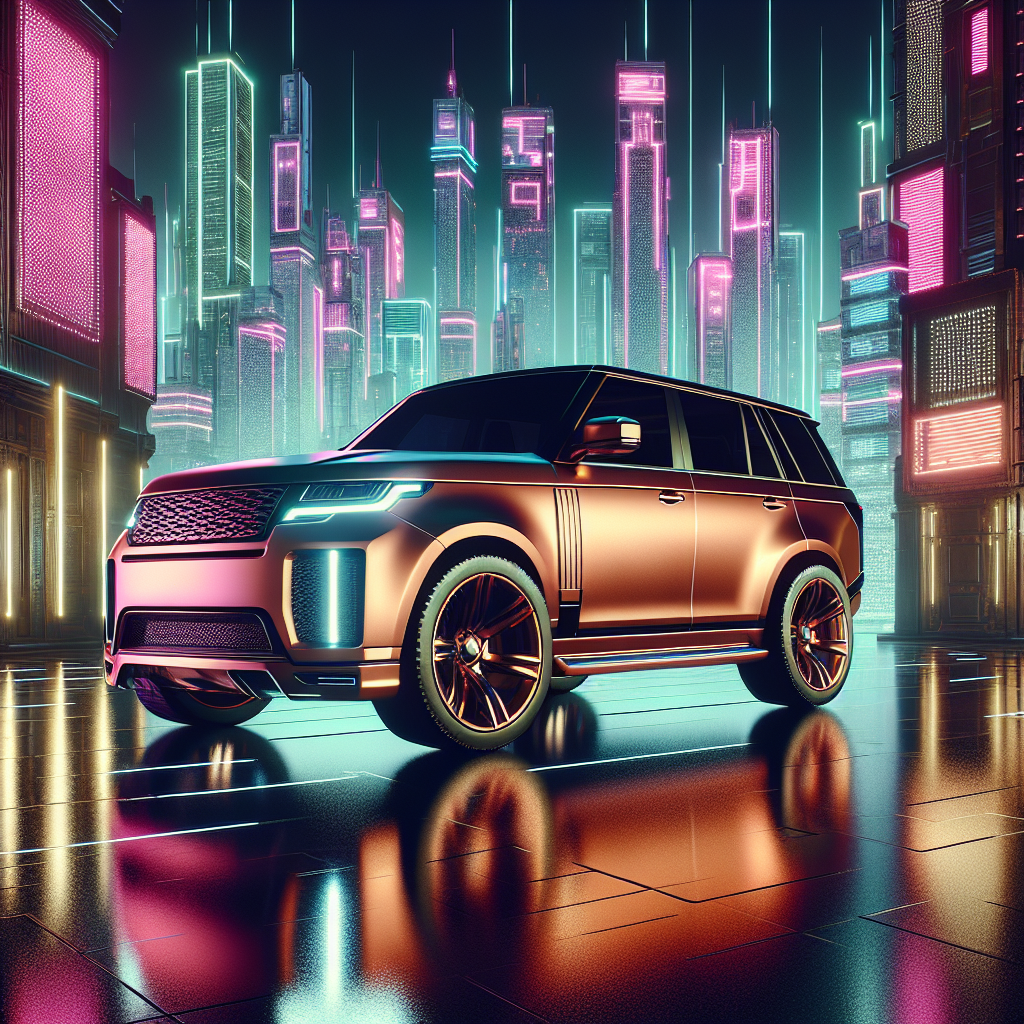
Why a Rose Gold G Wagon is the Ultimate Flex Right Now
Did you ever think a rugged, boxy military vehicle would end up draped in a jewelry-grade metallic hue? Seriously, spotting a rose gold g wagon casually cruising down the street is an absolute mood-shifter. I remember last summer, I was grabbing a quick coffee near Khreshchatyk Street in Kyiv, and this immaculate, fully customized rose gold G-Class just rolled up, catching the golden hour sunset perfectly. It wasn’t just a car passing by; it was an entire aesthetic event. People literally stopped walking just to take photos and admire the insane contrast between the harsh, brutalist angles of the vehicle and the soft, luxurious glow of the paintwork.
If you are weighing the options for your next custom ride, going with this specific colorway isn’t just about showing off. It is about blending timeless off-road heritage with peak contemporary luxury. You get the ultimate road presence while maintaining a sense of refined, high-end fashion. The aggressive stance of the Mercedes G-Class provides the perfect canvas for a color that screams exclusivity. We are going to talk about exactly how this trend works, what you need to know about the materials, and how to get your own vehicle looking exactly like the ones breaking the internet right now.
The Core Appeal: Mixing Brutalism with Luxury
So, what exactly makes the combination of a heavy-duty 4×4 and a delicate metallic pink-gold so universally striking? It all comes down to the psychology of contrast. The G-Wagon is practically a brick on wheels. It has sharp 90-degree angles, massive tires, and exposed door hinges. When you wrap or paint that aggressive silhouette in a color normally reserved for luxury watches and high-end smartphones, you create a visual paradox that the human eye simply loves to look at.
To give you an idea of where this specific finish stands among the top choices for custom SUVs, check out this quick comparison.
| Finish Type | Vibe & Aesthetic | Maintenance Level | Street Attention |
|---|---|---|---|
| Matte Black | Stealthy, aggressive, classic | High (shows oils and dust) | Moderate |
| Gloss White | Clean, corporate, bright | Medium (shows dirt quickly) | Low to Moderate |
| Rose Gold Metallic | Luxurious, exotic, fashion-forward | Medium (hides light dust well) | Extremely High |
The value proposition here is massive if you want your vehicle to stand out. Let me give you a couple of specific examples of why this works so well. First, think about high-end event arrivals. Pulling up to a premier or a gallery opening in a standard black SUV blends you into the valet line. Pulling up in this glowing metallic hue immediately establishes a VIP presence. Second, consider social media branding. For content creators or business owners, this vehicle acts as a moving billboard that instantly communicates success, premium taste, and forward-thinking style.
Here are the top reasons why making this choice is a brilliant move right now:
- It perfectly highlights the flat, boxy panels of the vehicle, catching light from multiple angles simultaneously.
- The color retains a massive niche resale value for buyers looking for something entirely unique and ready to drive.
- It pairs flawlessly with both blacked-out carbon fiber accessories and bright chrome accents, giving you total flexibility in your secondary trim choices.
The Deep Dive: History and Origins
The Geländewagen Origins
To truly appreciate the wild contrast we are talking about, you have to look at where this massive SUV came from. Back in the 1970s, the Shah of Iran suggested that Mercedes-Benz should build a civilian version of a military off-road vehicle. The result was the Geländewagen. It was designed to cross rivers, climb mountains, and survive the harshest environments on earth. It had zero luxury intentions. The cabin was basic, the suspension was stiff, and the exterior was purely functional. The idea that this exact same foundational design would eventually become the ultimate status symbol of the wealthy elite is hilariously ironic.
The Evolution of the Color
Now, let us trace the other half of this equation. The color itself originated in the 19th century when Carl Fabergé, the famous jeweler to the Russian Czars, began mixing yellow gold with copper to create what was initially called ‘Russian Gold’. Over the decades, it transitioned from a niche jewelry choice to a massive mainstream luxury indicator. By the mid-2010s, tech companies started releasing premium devices in this shade, cementing it as the default color for modern elegance and high-end tech. The automotive industry, always hungry for the next big aesthetic, eventually caught on. Custom shops realized that wrapping exotic cars in this shade resulted in guaranteed viral attention.
The Modern State of Custom G-Wagons
Fast forward to the current automotive landscape. As we navigate through 2026, the custom car culture has completely shifted away from basic gloss wraps. Owners want complex, multi-layered finishes. The modern custom off-roader isn’t just about big tires; it is about bespoke customization. High-net-worth individuals are commissioning wraps that look like actual liquid metal. The integration of ceramic coatings over these wraps ensures that the metallic flakes pop with absolute clarity, creating a finish that is often indistinguishable from a million-dollar factory paint job.
The Science of the Shine: Technical Deep Dive
The Chemistry of Metallic Vinyl
If you are thinking about achieving this look, you are almost certainly going to use a vinyl wrap rather than a permanent paint job. But this isn’t just big stickers. High-end vinyl is a marvel of modern chemistry. It starts with polyvinyl chloride (PVC), which is naturally rigid. Manufacturers add plasticizers to make it flexible enough to stretch around heavy curves. But the real magic happens in the color layer. To get that authentic jewelry-grade look, microscopic metallic flakes—usually aluminum powder coated with specific pigments—are suspended in the vinyl. These flakes have to be directionally aligned during the manufacturing process so that they reflect light uniformly. If the installer stretches the film too much, the density of the flakes changes, which alters the color and ruins the illusion.
Light Refraction on Flat Body Panels
The G-Wagon is uniquely suited for metallic wraps because of its geometry. Most modern cars look like jellybeans, full of soft curves. The Geländewagen is essentially a collection of flat planes meeting at harsh angles. This geometry interacts with light in a fascinating way. When sunlight hits a flat rose gold panel, the metallic flakes scatter the light uniformly, creating a massive, uninterrupted block of glowing color. The sharp edges then create deep, dramatic shadows, emphasizing the vehicle’s brutalist architecture.
Here are some technical specs you should know about premium wrapping materials:
- Thickness: Premium cast vinyl usually measures around 3.2 to 4.0 mils, providing excellent durability against minor rock chips.
- Adhesive tech: Uses pressure-sensitive acrylic adhesives (PSA) with air-release channels, allowing micro-bubbles to escape during installation.
- Conformability: The material can stretch up to 130% without losing its structural integrity, though heavy stretching is avoided to maintain color consistency.
- UV Resistance: Built-in clear coats block harmful UV rays, preventing the copper pigments from oxidizing or fading under harsh sunlight.
Actionable Menu: The 7-Day Transformation Plan
Getting your massive luxury SUV wrapped properly isn’t a quick afternoon job. If a shop tells you they can do it in two days, run away. Here is the realistic, step-by-step 7-day schedule you should expect when commissioning a high-end shop to create your dream vehicle.
Day 1: Concept and Color Selection
The first day is entirely about planning. You will sit down with the installer and look through hundreds of swatches. You need to decide between a matte metallic, a satin sheen, or a high-gloss liquid metal finish. You will also plan the accents—deciding whether the roof, badges, and wheels will be gloss black to provide contrast.
Day 2: Prep Work and Decontamination
The vehicle gets washed intensely. We are talking foam cannons, iron fallout removers, and clay bar treatments. Every single microscopic piece of dirt, tar, or wax has to be stripped from the clear coat. If even a tiny speck of dust remains, it will show up as a highly visible bump under the metallic vinyl.
Day 3: Disassembly of the Beast
This is where the G-Wagon becomes a nightmare for installers. Unlike normal cars, this SUV has exterior door hinges, massive spare tire covers, wide fender flares, and complex grilles. The shop will carefully remove the taillights, headlights, bumpers, door handles, and those iconic exterior hinges to ensure the wrap can be tucked deep inside the panels.
Day 4: Applying the Base Vinyl
The actual wrapping begins. The technicians start with the largest, flattest panels—the massive hood and the expansive roof. They use heat guns to gently relax the vinyl over the metal, squeegeeing the air out from the center to the edges. It is a slow, methodical dance of stretching and heating.
Day 5: Managing the Tricky Corners and Edges
Now comes the hard part. The technicians tackle the complex curves around the wheel arches, the deep recesses of the windows, and the intricate front bumper. Because metallic flakes can distort if stretched too far, the installers use advanced techniques like ‘inlaying’ to ensure the color remains perfectly uniform everywhere.
Day 6: Reassembly and Heat Treatment
All those parts that were taken off on Day 3 are meticulously reinstalled. Once the vehicle is back in one piece, the entire exterior is ‘post-heated’. The technicians use infrared thermometers and heat guns to bring every square inch of the vinyl up to about 200 degrees Fahrenheit. This bakes the adhesive into its final position and permanently sets the memory of the vinyl so it won’t peel back.
Day 7: Ceramic Coating and Final Reveal
Finally, a specialized vinyl-safe ceramic coating is applied over the new wrap. This adds a sacrificial layer of protection, makes the surface hydrophobic (water-repelling), and deepens the metallic glow. Once the coating cures, the car is pulled out into the sunlight for you to see the absolute masterpiece you just commissioned.
Myths & Reality About Wrapping Your SUV
People have a lot of weird misconceptions about luxury wraps. Let’s clear the air on a few of them so you know exactly what you are getting into.
Myth: The color will fade and turn dull after just one summer.
Reality: Premium cast vinyls from top-tier brands use advanced UV inhibitors. As long as you wash the car regularly and apply a basic spray sealant, the finish will easily last 5 to 7 years without losing its metallic pop.
Myth: It is exclusively a trend for social media influencers.
Reality: While influencers definitely love the look, a massive portion of these wraps are commissioned by business executives, real estate developers, and athletes who simply want a bespoke, 1-of-1 aesthetic that factory options cannot provide.
Myth: You can’t take a wrapped G-Class off-roading.
Reality: Vinyl actually acts as a massive paint protection film. It will take the brunt of light branch scratches and gravel hits, keeping your original factory paint completely pristine underneath.
Myth: Removing the wrap will peel the factory paint off the car.
Reality: If the vehicle has original OEM paint, removing a high-quality wrap (even after several years) is completely safe. The adhesive is designed to release cleanly when exposed to professional steam and heat tools.
FAQ: Everything Else You Need to Know
How much does it cost to wrap a G-Wagon in rose gold?
Because of the massive size of the vehicle and the complexity of the exterior hinges and panels, a high-end wrap job typically costs between $6,000 and $10,000, depending on your location and the specific brand of vinyl used.
Can I just paint it instead?
You absolutely can, but an authentic, multi-stage custom metallic paint job of this caliber will easily cost upwards of $20,000. Plus, wrapping allows you to go back to the original color whenever you want to sell it.
How do I wash a metallic wrap?
Hand washing is strictly required. Use a pH-neutral car soap, a soft microfiber wash mitt, and the two-bucket method. Never take it through an automated drive-through car wash with spinning brushes, as those will heavily scratch the vinyl.
Will bird droppings ruin the color?
Yes, bird droppings are highly acidic and will etch into the vinyl much faster than normal clear coat. You need to wipe them off immediately with a dedicated quick detailer spray.
What color interior works best with this exterior?
A bright porcelain white or a deep espresso brown leather interior creates a jaw-dropping contrast. Black interior works fine, but white leather elevates the luxury feel to an entirely different stratosphere.
Do I need to change my registration documents?
In most jurisdictions, yes. Because you are fundamentally changing the primary visual color of the vehicle, you usually need to update your local Department of Motor Vehicles or equivalent authority to avoid police confusion during traffic stops.
How long will the shop need my car?
Expect to be without your vehicle for a minimum of 7 to 10 days. The teardown and reassembly of a G-Class take significantly longer than a standard sports car.
Can I wrap the interior trim to match?
Absolutely. Most reputable shops can use leftover material to wrap your dashboard trim, center console, and door inserts, tying the whole aesthetic together beautifully.
So, there you have it. Turning your luxury tank into a glowing, metallic masterpiece is an incredible journey that completely changes how you interact with your vehicle and how the world sees you. It is bold, it is beautiful, and it absolutely commands respect on the road. If you are ready to make a serious statement and turn every commute into an event, start looking for top-tier wrap shops in your area today, ask to see their metallic swatch books, and get ready to drive something truly extraordinary.




Leave a Reply