

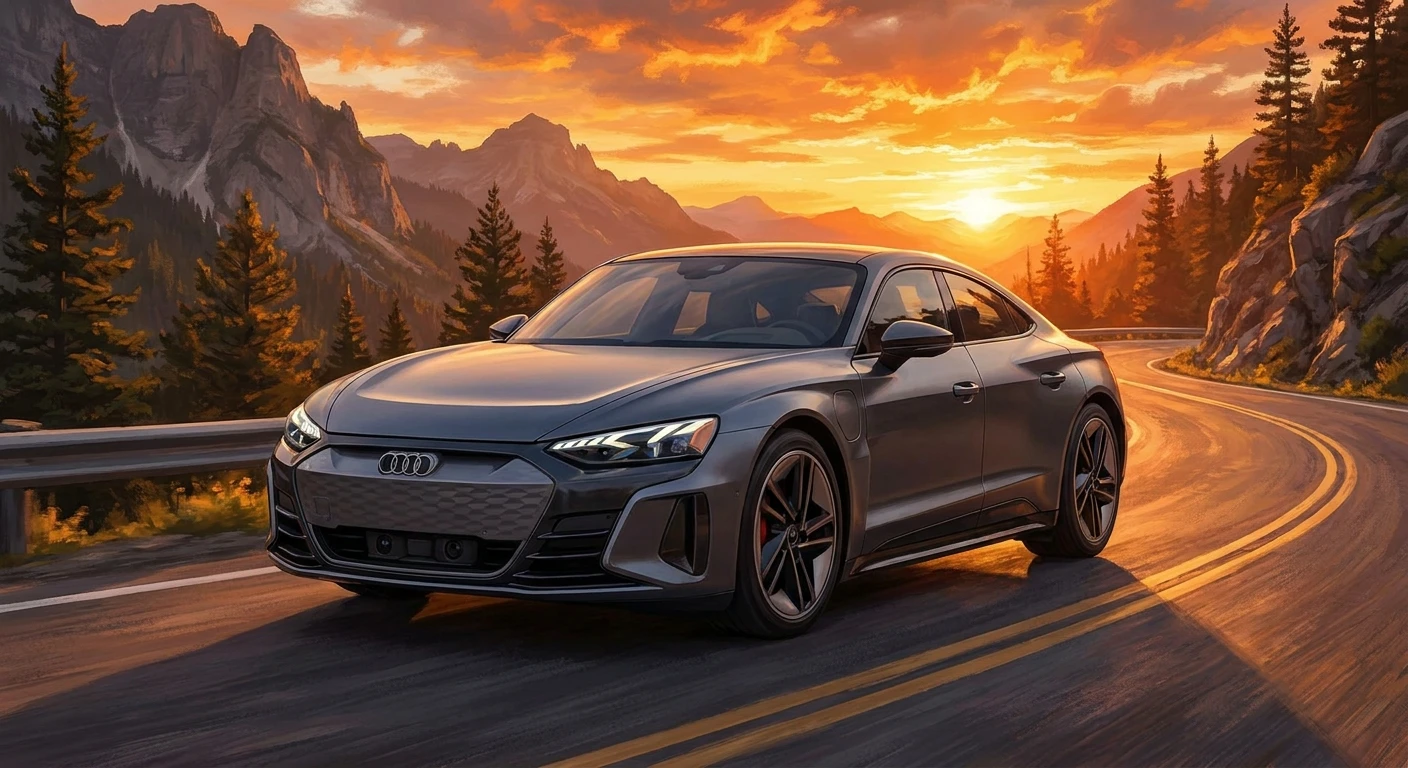
The Ultimate Guide to the 2023 honda civic sport
Hey there. If you’re hunting for a ride that perfectly balances daily usability with a serious edge, the 2023 honda civic sport deserves your attention immediately. I remember taking this exact model for a spin right through the winding, slightly rough roads just outside of Lviv during a rainy weekend trip to the Carpathian mountains. The way the suspension soaked up those infamous Ukrainian potholes while maintaining razor-sharp steering feedback genuinely surprised me. It wasn’t just a basic commuter car; it felt completely alive and eager to tackle the next corner. You see, finding a compact sedan that actually respects the driver’s time, money, and desire for driving pleasure is exceptionally rare these days. The core reality here is simple: this specific trim hits the absolute sweet spot between aggressive styling, outstanding fuel efficiency, and rock-solid mechanical reliability without demanding a massive luxury car budget. Over the next few minutes, I am going to break down exactly what makes this machine tick, how it holds up mechanically over time, and why it remains intensely relevant even as we navigate the wildly shifting automotive market right now in 2026. Stick around, because if you are on the fence about your next vehicle purchase, this breakdown will make your decision infinitely easier and save you from buyer’s remorse.
So, what actually makes this vehicle stand out in a sea of endlessly boring, grey traffic? The fundamental benefit of driving the 2023 model is the undeniable value proposition it offers the second you drive it off the dealership lot. You are getting an incredibly well-packaged sedan that looks fast while standing completely still. For example, the 18-inch gloss-black alloy wheels totally change the aggressive stance of the car, making it look substantially more expensive than its sticker price suggests. Another prime example is the leather-wrapped steering wheel paired with steering-wheel-mounted paddle shifters, which bring a tangible, premium tactile upgrade over the base LX trim. It is not just about looks and feeling good, though. The engineering backs up the aesthetic completely.
Let’s talk about the exact hardware specifications. Here is a quick breakdown of how it compares mechanically and visually to help you understand the true value upgrade:
| Feature Category | Base LX Trim | Sport Trim Upgrade | Real-World Benefit |
|---|---|---|---|
| Wheels & Tires | 16-inch steel wheels with covers | 18-inch gloss-black alloy wheels | Massively improved cornering grip and a much more aggressive, premium aesthetic. |
| Interior Materials | Standard urethane steering wheel | Leather-wrapped wheel & shift knob | Provides a comfortable, high-end tactile feel during long daily commutes. |
| Performance Tech | Standard automatic shifting | Paddle shifters and Sport Mode | Allows manual control over engine RPMs for safer highway merging and spirited driving. |
| Exterior Styling | Standard chrome window trim | Matte black window trim & exhaust finisher | Creates a stealthy, custom aftermarket look straight from the factory floor. |
You need to know how to maximize the lifespan of this exact setup. If you own one, or plan to buy one soon, here is exactly what you must do to keep it running flawlessly:
- Follow the onboard Maintenance Minder system religiously, especially scheduling those prompt oil changes using high-quality 0W-20 full synthetic oil to protect the internal engine components.
- Keep those beautiful low-profile 18-inch tires properly inflated to exactly 32-35 PSI to prevent catastrophic rim damage when hitting unexpected potholes on harsh city streets.
- Wash the delicate gloss-black exterior accents entirely by hand using premium microfiber towels and a lubricating wash soap to avoid the horrible micro-scratches caused by automated car washes.
- Use high-quality sunshades during the summer months to protect the advanced touchscreen infotainment system and dashboard plastics from UV degradation over the years.
This specific trim basically gives you the highly desirable aesthetic of the higher-tier Si model but smartly keeps the naturally aspirated 2.0-liter engine. That means significantly fewer moving parts to break down over the long haul, saving you thousands in potential turbocharger-related maintenance down the road while still looking fantastic.
The Origins of the Lineage
To fully appreciate what we have access to right now, you have to look way back at where this legendary automotive story began. The brand originally launched this badge way back in 1972 as a tiny, two-door utilitarian model specifically designed to conquer the global oil crisis. It was an absolute engineering masterpiece of necessity. It didn’t boast massive horsepower figures or feature luxurious, leather-clad interiors; instead, it offered pure, unadulterated efficiency and functionality. Over the following decades, it steadily built a bulletproof reputation as the vehicle that simply refused to quit, no matter how badly it was treated by its owners. It became the default answer for anyone needing dependable transportation.
The Evolution of the Sport Trim
Fast forward through several iterations and generations, and the manufacturer realized buyers wanted much more than just basic, appliance-like reliability. They wanted real character and emotion. The introduction of sport-specific trims began to take shape prominently around the 10th generation, completely redefining expectations within the compact segment. Automotive engineers started aggressively tweaking the suspension geometry, adding significantly stiffer anti-roll bars, and slapping on bold aerodynamic body kits. They successfully bridged the massive gap between the incredibly boring base models and the insanely hardcore, track-focused Type R variants. It gave everyday drivers a thrilling taste of performance aesthetics without ruining their comfortable daily commute to the office.
The Modern State of the 11th Generation
The 11th generation architecture, which houses our featured 2023 model, represents the absolute pinnacle of this long evolutionary process. The designers wisely decided to clean up the overly chaotic, angular lines of the previous generation, opting instead for a mature, sophisticated, heavily European-inspired exterior design language. The cabin pushed interior boundaries with its fascinating retro-modern honeycomb mesh dashboard detailing and crystal-clear digital driver displays. It proves definitively that a daily driver can be intensely practical, exceptionally safe, and incredibly fuel-efficient while still delivering a highly satisfying, tactile driving experience every single time you press the push-to-start button.
Powertrain and Chassis Dynamics
Let’s get mildly technical for a second without making your eyes completely glaze over. The beating heart of this machine is a naturally aspirated 2.0-liter inline four-cylinder engine. Unlike the more complex turbocharged 1.5-liter powerplants found in the higher touring trims, this specific block relies purely on traditional atmospheric pressure to mix incoming air and fuel. This is actually a massive hidden advantage for long-term ownership and durability. It features dual overhead cams (DOHC) and the legendary, highly proven i-VTEC system. For the uninitiated, i-VTEC dynamically adjusts the lift and duration of the engine’s intake valves on the fly. At lower RPMs creeping through city traffic, it sips fuel for maximum efficiency. When you aggressively push the pedal down to pass a slow-moving truck, it alters the valve timing to pull in significantly more air, giving you a noticeable, linear surge in power right up to the redline.
Structural Engineering and Aerodynamics
The chassis itself is an absolute modern engineering marvel. The designers utilized extensive amounts of advanced high-strength steel and structural adhesives to dramatically increase torsional rigidity, meaning the car twists significantly less when you take a hard, sweeping corner. A much stiffer chassis allows the suspension components to do their job properly rather than fighting the flex of the metal body.
- MacPherson Strut Front Suspension: Specially tuned shock absorbers provide a much firmer, heavily planted feel compared to standard economy trims, vastly improving driver confidence.
- Continuously Variable Transmission (CVT): Cleverly programmed with Step-Shift technology to perfectly simulate the physical, visceral gear changes of a traditional automatic, totally eliminating that annoying “rubber band” acceleration feel older CVTs suffered from.
- Acoustic Windshield Glass: Carefully engineered with a specialized inner resin layer to dramatically reduce high-frequency wind noise, making the cabin surprisingly quiet at highway speeds.
- Agile Handling Assist: An intelligent brake-vectoring system that subtly and automatically applies braking force to the inside wheels during hard cornering to pivot the car effortlessly around tight bends.
- Aerodynamic Underbody Panels: Smooth plastic shielding underneath the chassis reduces air turbulence, which simultaneously increases fuel economy and improves high-speed stability.
Step 1: The Initial Dealership Inspection
If you are picking up this car today, check the tire pressure immediately before driving off the lot. Dealerships frequently overinflate tires up to 40 PSI for shipping purposes to prevent flat spots. Drop them down to the factory-recommended 32 PSI located on the driver’s side door jamb for the best possible ride quality and tire wear.
Step 2: Breaking in the Engine Correctly
For the first 600 miles of your ownership, completely avoid hard acceleration, full-throttle starts, or severe braking. You need to let the internal piston rings seat properly against the cylinder walls. This vital step guarantees maximum engine compression and total longevity for the 2.0L engine over the next decade.
Step 3: Customizing the Infotainment Hub
Spend thirty minutes just sitting in your driveway pairing your smartphone via Apple CarPlay or Android Auto. Take the time to customize the home screen layout on the snappy 7-inch color touchscreen so your favorite navigation maps, podcasts, and audio apps are front and center, minimizing distractions while driving.
Step 4: Calibrating the Active Safety Suite
Familiarize yourself completely with the advanced sensor suite. Adjust the physical sensitivity and warning distances of the Collision Mitigation Braking System and the Lane Keeping Assist through the steering wheel menu controls. Tailoring these systems to match your specific driving style prevents annoying false alarms in heavy traffic.
Step 5: Applying Exterior Paint Protection
Those aggressive gloss-black mirrors, spoiler, and wheels look absolutely incredible, but they show micro-scratches and swirl marks incredibly easily. Apply a high-quality ceramic coating or a strong synthetic paint sealant to the entire exterior on your first weekend to protect the clear coat from harsh UV rays and corrosive road debris.
Step 6: Testing the Dynamic Drive Modes
Find a safe, open, winding backroad. Switch the center console toggle switch from Normal directly into Sport mode. Notice immediately how the electronic throttle mapping becomes instantly more aggressive, the transmission holds higher RPMs, and the electric power steering noticeably weights up. Use this specifically when you want to have fun.
Step 7: Establishing a Strict Wash Routine
Commit right now to a proper two-bucket hand wash method. The aggressive front fascia has a lot of intricate, interlocking plastic honeycomb grilles that heavily trap bugs, leaves, and road dirt. Utilizing a soft detailing brush specifically for this front area will keep the nose looking showroom fresh for years.
The internet is absolutely full of terrible advice and massive misconceptions about modern compact cars. Let’s clear the air right now and get to the facts.
Myth: The CVT transmission completely ruins the driving experience and drones loudly.
Reality: The specific CVT software programming in this exact model features distinct simulated gear shifts and highly responsive paddle shifters, completely eliminating the terrible, droning feel of older continuously variable transmissions. It genuinely feels snappy, responsive, and engaging.
Myth: You absolutely need a turbocharged engine to have any fun behind the wheel.
Reality: The naturally aspirated 2.0L engine paired directly with the stiffer, sport-tuned suspension setup provides incredibly predictable, perfectly linear power delivery. It is an absolute blast to carry momentum through corners without ever waiting a second for annoying turbo lag to kick in.
Myth: Gloss black wheels are totally impossible to keep clean and look dirty instantly.
Reality: While it is true that they do show brake dust faster than silver wheels, applying a simple spray-on wheel sealant makes the surface extremely slick. A quick blast from a basic pressure washer is usually all it takes to keep them shining brilliantly.
Does it require premium gas?
No, the 2.0-liter engine runs perfectly on standard 87-octane unleaded fuel, which keeps your monthly running costs extremely low.
Is it a historically reliable car?
Absolutely. The naturally aspirated powertrain is one of the most thoroughly tested and mechanically proven setups in the entire automotive industry.
Does it have wireless Apple CarPlay?
This specific trim utilizes highly stable wired Apple CarPlay and Android Auto connections via the illuminated front USB port.
Are the seats comfortable for long highway trips?
Yes, the front seats feature aggressive side bolsters that hold you firmly in place, cleverly mixed with supportive high-density foam to prevent lower back fatigue.
How is the factory sound system?
It comes equipped with an 8-speaker audio system that provides surprisingly punchy bass and incredibly clear vocals for your everyday music listening.
Is the trunk spacious enough for luggage?
You get a generous 14.8 cubic feet of deep cargo space, which is considered massive for the compact sedan class, easily fitting two large suitcases.
Does it handle driving in the snow well?
With a good set of dedicated winter tires mounted, the front-wheel-drive system and advanced electronic traction control manage snowy, icy roads brilliantly.
Are LED headlights standard?
Yes, bright LED headlights with convenient auto-on/off functionality come standard, greatly improving nighttime visibility on dark rural roads.
Does it come with adaptive cruise control?
Yes, it features adaptive cruise control with low-speed follow, making completely terrible stop-and-go rush hour traffic much more bearable.
Can you fold the rear seats down?
Yes, the rear seatback folds down in a single piece, allowing you to easily transport longer items like snowboards or flat-pack furniture.
Now that we are deep into 2026, the 2023 model remains an absolute titan of the used and certified pre-owned market. It consistently offers unmatched style, brilliant efficiency, and bulletproof engineering. Stop overthinking your options—go test drive one today and experience the well-deserved hype for yourself!





Leave a Reply