

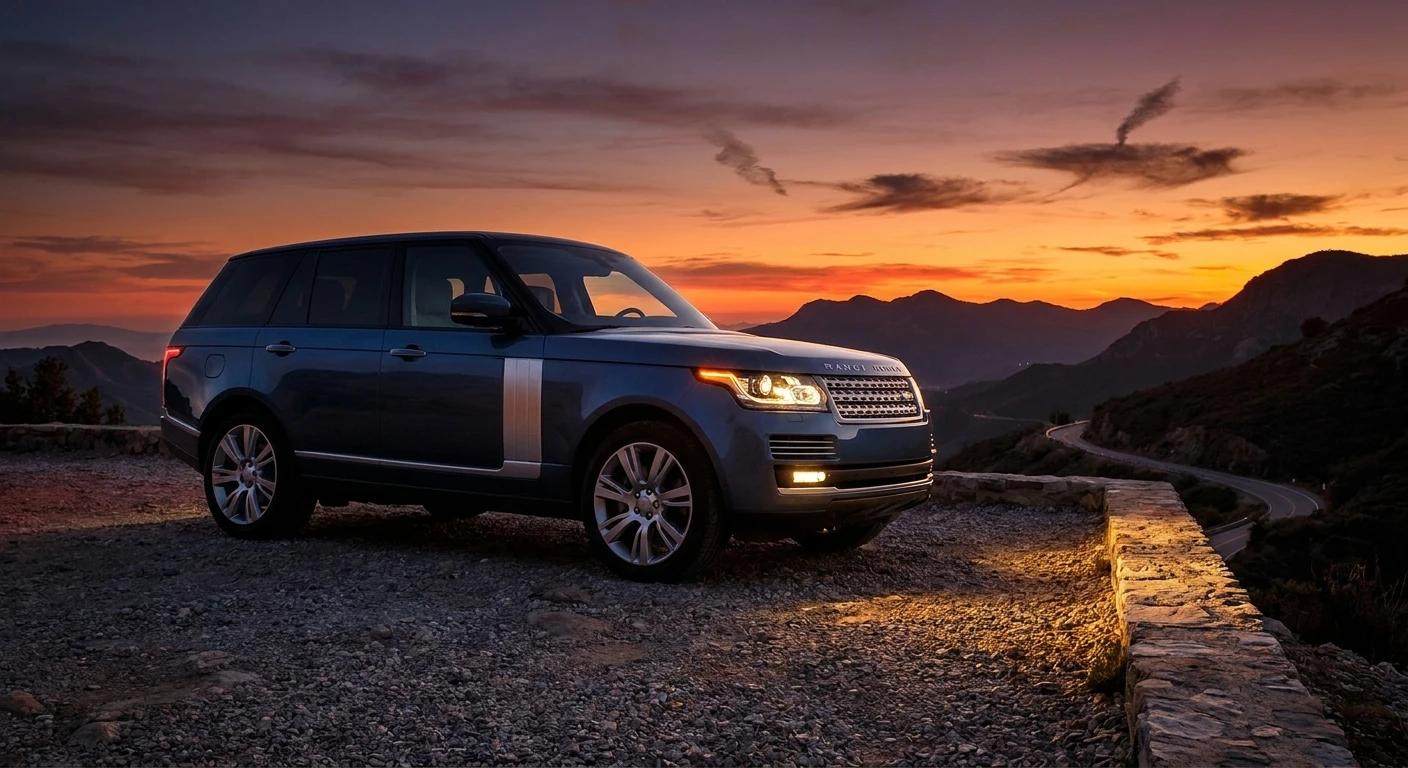
Is the 2025 buick enclave Worth Your Time?
Looking at the 2025 buick enclave, you immediately realize this SUV is meant for folks who want quiet luxury without shouting about it. Getting my hands on one reminded me of driving through the Carpathian Mountains back home in Ukraine, where the roads demand a vehicle that can swallow massive bumps while keeping the cabin whisper-quiet. I was sipping a strong cup of Lviv coffee while testing the suspension, and it just glided over those uneven cobblestone streets, bringing a level of serenity I rarely find in massive three-row SUVs.
My thesis here is extremely simple: this vehicle bridges the gap between everyday family hauling and premium comfort far better than most of its expensive European rivals. I remember chatting with a buddy over Telegram last week. He asked if upgrading from his older crossover made any sense right now. I told him straight up that General Motors seriously upped their game here. We are sitting in 2026 now, and looking back at last year’s massive release, the build quality still holds up phenomenally well. You get massive screens, zero road noise, and plenty of space for the whole family to stretch out. I honestly did not expect to enjoy the driving dynamics this much, but it just eats up highway miles like nobody’s business. If you crave a relaxing commute, you need to hear about what makes this specific machine tick.
When you evaluate the core benefits, you quickly realize this vehicle brings some serious heat to the luxury SUV segment. The value proposition becomes incredibly obvious once you spend a few days behind the wheel doing regular chores. For example, the Super Cruise hands-free driving tech means you can completely relax your arms on long highway stretches while the car does the heavy lifting. Another prime example is the acoustic laminated glass, which practically turns the cabin into a sensory deprivation tank. Seriously, it is so quiet you can whisper to the kids way back in the third row without raising your voice. It removes the stress from chaotic daily driving.
Let us break down the specs in a quick table so you know exactly what you are paying for when you walk into the dealership:
| Trim Level | Estimated Starting Price | Key Highlight Feature |
|---|---|---|
| Preferred | $45,000 | Massive 30-inch curved display screen |
| Sport Touring (ST) | $48,000 | Exclusive blacked-out exterior accents |
| Avenir | $58,000 | Premium leather and massaging front seats |
Beyond the raw numbers, the physical benefits of daily driving this machine are immense. It genuinely removes the fatigue of commuting. However, you also have to consider the sheer size of the thing—parking in tight urban spaces requires relying heavily on those surround-vision cameras because the hood is incredibly tall.
Here is exactly how you can maximize your ownership experience right out of the gate:
- Set up your digital driver profile immediately: Customize the 30-inch screen layout so your most-used apps like Spotify, Waze, and messages are front and center.
- Calibrate the Super Cruise system: Take it on a mapped highway during a low-traffic time on a Sunday morning to build your trust with the autonomous system.
- Utilize the power-folding rear seats: When you need cargo space for groceries or furniture, use the one-touch buttons in the trunk instead of wrestling with the seats manually.
The sheer utility combined with high-end finishes makes it a no-brainer for larger families who refuse to compromise on style and tech.
Origins of the Nameplate
To really appreciate what we have right now, you have to look back at where this massive vehicle started. Buick originally launched this specific nameplate way back in 2008 as a major replacement for their aging minivans and old-school body-on-frame SUVs. It was a massive gamble for the company. The brand desperately needed something that felt distinctly American but drove with the refinement of a high-end luxury cruiser. The first generation was quite bubbly, heavy, and built on the older Lambda platform. Despite the bulbous looks, it was a huge sales success, completely changing the brand’s trajectory. People loved the immense interior space, even if the fuel economy was pretty terrible by modern standards.
The Evolution Through the Years
As the years rolled on, the design language sharpened up significantly. By the time the second generation dropped in 2018, the vehicle lost some serious weight and gained a much sleeker, more aggressive side profile. They tightened up the steering feel and added a whole suite of active safety features to keep up with strict safety regulations. We also saw the introduction of the top-tier Avenir trim, signaling Buick’s heavy push into genuine luxury territory. They finally realized buyers wanted premium materials, real open-pore wood, and quilted leather without paying outrageous Cadillac Escalade prices. The evolution was all about refinement, dropping the old architecture for more efficient options across GM’s massive lineup, though they kept a smooth powertrain specifically for this flagship model to ensure that signature quiet ride remained intact.
Modern State of the Flagship
Now, looking at the modern state of this vehicle, it represents the absolute pinnacle of Buick’s internal combustion engineering before everything eventually goes fully electric. It has fully adopted the brand’s new “Wildcat” design language—characterized by the aggressively shark-nosed front fascia, signature checkmark LED daytime running lights, and that updated minimalist tri-shield logo on the hood. It no longer looks like a gentle, unassuming family hauler; it looks highly assertive. The modern iteration proves that you do not need a fancy luxury European badge to get immense comfort, cutting-edge technology, and a truly striking road presence in your neighborhood.
Under the Hood: Turbocharged Engineering
Let us talk about what exactly moves this heavy beast. General Motors swapped out the old naturally aspirated 3.6-liter V6 for a much punchier 2.5-liter turbocharged inline-four engine. To a layman, losing two whole engine cylinders sounds like a massive downgrade, but the engineering science says otherwise entirely. A turbocharger actively forces extra compressed air into the combustion chamber. More air means you can burn more fuel efficiently, which creates a bigger explosion and, consequently, a lot more power. Because it is a physically smaller engine block, it is lighter, which dramatically improves the handling dynamics over the front axle. You get an impressive 328 horsepower and 326 pound-feet of torque. In plain English: when you hit the gas pedal to merge on a busy highway, the vehicle jumps forward eagerly without sounding out of breath or struggling under its own weight.
Acoustic Tuning and Cabin Quietness
The brand is incredibly famous for something they officially call “QuietTuning,” which is basically a highly scientific approach to canceling out unwanted noise, vibration, and harshness (NVH). They do not just slap on some cheap sound-deadening foam and call it a day like cheaper brands do. The acoustic engineers meticulously measure sound frequencies inside the cabin while the vehicle drives over various rough surfaces to identify exactly where noise leaks in.
Here are the scientific facts behind why the cabin is so silent:
- Active Noise Cancellation (ANC) utilizes the vehicle’s internal audio speakers to emit sound waves that are the exact opposite phase of the road and engine noise, effectively canceling them out completely.
- The acoustic laminated windshield contains a thin, hidden layer of polyvinyl butyral (PVB) plastic sandwiched between two layers of glass, which specifically blocks high-frequency wind noise from hitting your ears.
- Triple door sealing creates a nearly airtight barrier around the frames, preventing acoustic pressure waves from infiltrating the passenger compartment at high highway speeds.
- Specially tuned liquid-filled suspension bushings isolate harsh mechanical vibrations from transferring into the vehicle’s structural metal frame.
This precise, calculated combination of active and passive acoustic engineering guarantees a uniquely peaceful environment for your daily drives.
If you just bought this SUV or are planning a massive cross-country road trip with the family, you absolutely need a solid plan to get acquainted with all its hidden features. Here is a definitive 7-step guide to mastering your new vehicle from day one.
Step 1: Pair Your Digital Life
Grab your smartphone and immediately pair it via wireless Apple CarPlay or Android Auto before you even leave the driveway. The massive 30-inch continuous screen will format your mobile apps perfectly. Spend a few minutes arranging the digital widgets so your navigation maps and music playlists are right where your fingers naturally rest.
Step 2: Customize the Driver Information Center
Use the tactile steering wheel controls to adjust what data you see directly behind the wheel. You can choose a clean, minimalist display with just your digital speed, or a tech-heavy display showing live tire pressure, upcoming navigation prompts, and Super Cruise readiness indicators.
Step 3: Dial in the Perfect Seating Position
Do not just wildly move the seat forward and backward. Take your time to adjust the power lumbar support, set the steering wheel tilt and telescoping position perfectly, and immediately program the memory seat button on the driver’s door. If you have the luxury Avenir trim, turn on the built-in massage function to find the absolute perfect setting.
Step 4: Test the Surround Vision Cameras
Find a completely empty parking lot on a weekend. Put the heavy vehicle in reverse and heavily practice maneuvering using only the 360-degree high-definition camera views on the center screen. This builds extreme confidence for when you actually have to parallel park in a crowded, busy city environment.
Step 5: Activate QuietTuning Awareness
Turn off the radio completely and roll all the windows tight up while driving on the highway. Pay close attention to the absolute silence around you. This acoustic baseline helps you notice if a window is ever slightly cracked or if a specific tire starts making unusual, uneven road noise later down the line.
Step 6: Map Out a Super Cruise Route
Open the built-in Google Maps application and search to find a compatible, mapped highway stretch near your home. Engage the Super Cruise system and keep your eyes focused on the road while physically taking your hands off the steering wheel. Letting the computer drive takes some serious getting used to, so practice it often.
Step 7: Configure the Power Liftgate Limits
Go to the main infotainment settings menu and adjust the maximum opening height of the rear power liftgate. This is a highly crucial step to ensure the heavy trunk door does not accidentally smash into the low ceiling of your home garage when you casually hit the button.
There is a lot of bad misinformation out there on internet forums about premium SUVs, so let us quickly clear up some common misconceptions right now.
Myth: Four-cylinder engines are way too weak for a massive, heavy three-row SUV.
Reality: Thanks to advanced modern turbocharging technology, the new 2.5L engine actually produces significantly more horsepower and vastly more torque than the outgoing V6, providing much faster acceleration.
Myth: Super Cruise is totally autonomous and you can safely sleep while driving.
Reality: Super Cruise is strictly a hands-free driver assistance system, not full self-driving autonomy. A driver-facing infrared camera constantly monitors your eyes; if you look away from the road for too long, the system will disengage safely and alert you.
Myth: Buick is just an “old person’s” brand with completely outdated tech.
Reality: The 30-inch continuous curved display, Google built-in deep integration, and highly aggressive modern exterior styling firmly place this specific vehicle at the absolute cutting edge of modern automotive technology.
Myth: You absolutely have to buy expensive premium gas for it to run properly.
Reality: While premium fuel might squeeze out maximum theoretical performance, the advanced engine is fully designed to run perfectly fine on regular 87-octane unleaded gasoline, saving you serious money at the pump.
Does it require premium fuel?
No, it runs perfectly fine on regular 87-octane gasoline, though running premium fuel can slightly optimize overall engine performance.
How many people can fit inside?
It comfortably seats exactly seven passengers with supportive second-row captain’s chairs and a wide three-person third-row bench.
Is the third row spacious enough for adults?
Yes, the third row provides excellent class-leading legroom, making it fully viable for full-grown adults on shorter trips.
Does it come with all-wheel drive?
Yes, an advanced all-wheel-drive system is available as a popular option across all trim levels.
What is the maximum towing capacity?
When it is properly equipped with the factory towing package, it can safely tow up to 5,000 pounds.
Is Super Cruise standard on all models?
No, Super Cruise is an available premium option, usually standard only on the top-tier Avenir trim or available as an expensive add-on.
Does it have a real spare tire?
Most models come completely equipped with a space-saver spare tire conveniently located out of the way under the rear cargo floor.
Wrapping this up, if you heavily value a hushed cabin environment, gorgeous digital screens, and the relaxing ability to drive entirely hands-free on the highway, you absolutely need to test drive this incredible SUV. It genuinely competes with the high-end European luxury marks without the absurd, wallet-draining price tag. Share this complete guide with your car-shopping friends online, and definitely hit that subscribe button for more honest, no-nonsense car reviews!





Leave a Reply