

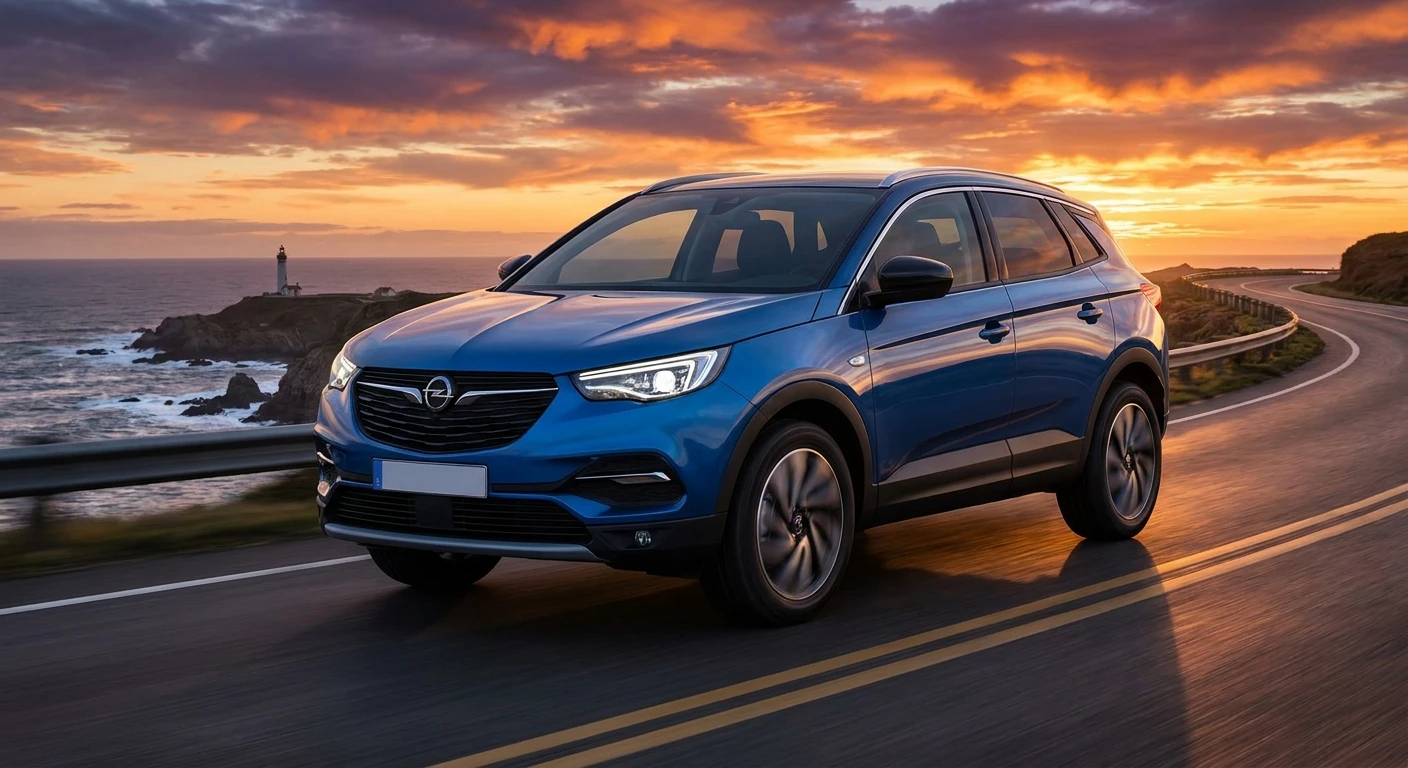
The Unmatched Appeal of the 2025 Kia Seltos
The 2025 Kia Seltos continues to disrupt the subcompact SUV market by delivering a package that punches significantly above its weight class. Blending bold styling, practical interior dimensions, and a robust suite of technology, this vehicle serves as a cornerstone for drivers seeking utility without the bulk of a mid-size crossover. Positioned strategically between the smaller Soul and the larger Sportage, the Seltos offers an exceptional balance of daily drivability and weekend capability. The segment it competes in requires vehicles to maximize every inch of available space, and engineers have managed to carve out an interior that feels remarkably airy and accommodating for both front and rear passengers. By maintaining a compact exterior footprint, the vehicle remains agile in tight urban environments while providing the cargo capacity necessary for extensive road trips and outdoor adventures. Beyond mere practicality, the styling language adopted by the manufacturer gives the exterior a rugged, commanding presence that commands attention on the road. From the signature tiger-nose grille to the distinct lighting signatures, every design element serves a purpose in enhancing aerodynamics and visual appeal. The resulting product is a thoroughly engineered machine designed to meet the rigorous demands of active lifestyles, offering an intuitive driving experience that prioritizes comfort, safety, and efficiency over fleeting automotive trends.
Core Advantages and Real-World Value
Evaluating the mechanical and technological offerings reveals exactly why this specific crossover maintains such a strong market position. The lineup is structured to accommodate a wide variety of budgets and performance preferences, heavily emphasizing user experience and active safety features. When examining the value proposition, the standard equipment list provides substantial conveniences that competitors frequently reserve for their highest, most expensive trim levels. The integration of advanced driver assistance systems across the board ensures that buyers do not have to compromise on safety to stay within a specific price bracket.
Read also: 2021 Toyota Corolla: Specs, Features & Reliability Review; 2025 Jeep Compass: Complete Buyer's Guide & Specs.
| Trim Level | Engine Type | Key Value Feature |
|---|---|---|
| LX and S | 2.0L Naturally Aspirated 4-Cylinder | Standard All-Wheel Drive (LX) / Comprehensive Tech Suite (S) |
| EX | 2.0L Naturally Aspirated 4-Cylinder | Premium Interior Finishes and Enhanced Comfort Features |
| X-Line and SX | 1.6L Turbocharged 4-Cylinder | Rugged Appearance Package (X-Line) / Advanced Highway Driving Assist (SX) |
The practical application of these features becomes evident during routine use. For instance, a commuter navigating dense city traffic benefits immensely from the elevated seating position and the responsive naturally aspirated engine, while families heading out for weekend camping trips can rely on the turbocharged variants for robust highway passing power and confident handling on unpaved trails.
- Exceptional Cargo Capacity: Offering up to 62.8 cubic feet of space with the rear seats folded down, the interior easily accommodates bicycles, camping gear, or large furniture purchases, making it highly versatile for various tasks.
- Seamless Digital Interface: The available panoramic display setup combines a high-resolution instrument cluster with an expansive infotainment touchscreen, ensuring rapid access to navigation, media, and vehicle settings without unnecessary distraction.
- Comprehensive Safety Suite: Standard forward collision avoidance, lane keeping assist, and driver attention warnings work synergistically to monitor the surrounding environment, actively mitigating potential hazards before they escalate into accidents.
Origins of the Seltos Nameplate
The introduction of this specific subcompact crossover marked a strategic expansion for the manufacturer’s global lineup. Recognizing a rapidly growing demand for utility vehicles that fell beneath the traditional compact segment, planners initiated development on a platform that could appeal to both emerging markets and established Western demographics. The nameplate made its initial global debut in 2019, instantly generating intense interest due to its sharp styling and generous feature list. The goal was to capture younger demographics and small families who wanted the elevated driving position and all-wheel-drive capability of a traditional SUV but required the fuel efficiency and manageable proportions of a hatchback.
Evolution Through the Years
Over the subsequent years, the vehicle underwent several iterative refinements to keep pace with rapid technological advancements and shifting consumer expectations. The early models established a reputation for solid reliability and excellent value, prompting the manufacturer to invest heavily in interior material quality and powertrain optimization for subsequent model years. The most substantial shift occurred during the 2024 model year, which introduced a comprehensive mid-cycle refresh. This update brought a more aggressive front fascia, connected rear taillights, a modernized dashboard layout, and a welcome boost in horsepower for the turbocharged engine option, addressing minor criticisms regarding highway passing capabilities in previous iterations.
The Modern State of the Lineup
By the time the 2025 model reached showroom floors, the platform had matured into a highly refined and predictable product. Rather than introducing radical, untested changes, the 2025 iteration focuses on stabilizing the successful formula established by the recent refresh. The manufacturing process has been finely tuned to ensure tight panel gaps, durable interior finishes, and consistent mechanical reliability. It currently stands as a benchmark in the subcompact class, frequently used by automotive reviewers as the standard against which new competitors are measured, primarily due to its masterful execution of space utilization and its user-friendly technology integration.
Powertrain Engineering Simplified
The mechanical heartbeat of the lineup relies on two distinct engine architectures, each engineered for specific driving dynamics. The standard configuration utilizes a 2.0-liter four-cylinder engine operating on the Atkinson cycle. This specific internal combustion method delays the closing of the intake valves during the compression stroke, effectively expanding the power stroke to extract the maximum amount of energy from every drop of fuel. It is paired with an Intelligent Variable Transmission (IVT) that uses a chain belt instead of a push belt, reducing the “rubber-band” feeling common in traditional continuously variable transmissions and simulating the stepped shifts of a conventional automatic gearbox. For those requiring more immediate throttle response, the 1.6-liter turbocharged engine utilizes direct fuel injection and a twin-scroll turbocharger to generate maximum torque at low RPMs. This engine is mated to an 8-speed conventional torque converter automatic transmission, which replaced the older 7-speed dual-clutch unit to provide smoother low-speed crawling in heavy traffic and refined shifts under hard acceleration.
Structural Integrity and Chassis Dynamics
Beneath the sheet metal, the platform utilizes a high proportion of advanced high-strength steel (AHSS), stamped and welded using state-of-the-art structural adhesives. This construction methodology creates a rigid safety cell that dissipates crash energy effectively while minimizing body roll during aggressive cornering. The suspension geometry features MacPherson struts at the front, while all-wheel-drive variants utilize a sophisticated multi-link rear suspension setup that absorbs uneven pavement irregularities far better than the standard torsion beam axle found on front-wheel-drive models.
- Base Engine Output: 146 horsepower and 132 lb-ft of torque, optimized for linear power delivery and high urban fuel efficiency.
- Turbocharged Engine Output: 195 horsepower and 195 lb-ft of torque, delivering confident highway merging and enhanced high-altitude performance.
- All-Wheel-Drive System: Features an electro-hydraulic center coupling that actively distributes torque between the front and rear axles based on wheel slip, acceleration, and steering angle inputs.
- Lock Mode Capability: Includes a driver-selectable AWD lock function that splits power evenly (50/50) between the front and rear wheels at speeds under 40 mph for improved traction in deep snow or mud.
- Acoustic Insulation: Extensive use of sound-deadening materials in the firewall, floorpan, and wheel wells to isolate the cabin from wind noise and tire roar.
Step 1: Assess Your Cargo Needs
Begin your evaluation by closely examining the physical dimensions of the cargo area. The dual-level cargo floor is a crucial feature to test; lower it to maximize vertical space for tall items, or raise it to create a completely flat load floor when the rear seats are folded. Bring measuring tape if you have specific gear, like a large dog crate or a mountain bike, to ensure it slides in without damaging the interior trim.
Step 2: Choose Between Naturally Aspirated and Turbocharged
Analyze your daily driving environment to select the appropriate powertrain. If your commute consists mostly of stop-and-go city traffic, the 2.0-liter engine provides adequate power and superior fuel economy. Conversely, if you frequently travel on highways, live in mountainous regions, or regularly transport a full cabin of passengers, the 1.6-liter turbocharged engine provides the necessary torque to maintain speed effortlessly.
Step 3: Analyze the All-Wheel-Drive Options
Determine whether standard front-wheel drive is sufficient for your local climate. While front-wheel drive offers slight advantages in fuel economy and purchase price, the active torque-vectoring all-wheel-drive system provides crucial stability during heavy rain, snow, or light off-road excursions. Factor in the cost of winter tires if you opt out of AWD in a colder climate.
Step 4: Explore the Dual-Display Technology
Spend time sitting in the driver’s seat interacting with the panoramic digital screens. Test the responsiveness of the touch interface, navigate through the menus to pair a smartphone, and evaluate the clarity of the digital gauge cluster under direct sunlight. Ensure the menu structures are intuitive and that physical buttons remain for vital climate controls.
Step 5: Review the Advanced Driver Assistance Systems
Familiarize yourself with the active safety technology. During a test drive, safely observe how the lane following assist centers the vehicle and how the adaptive cruise control responds to changes in traffic speed. Understanding these systems ensures you can utilize them effectively to reduce fatigue on long journeys without becoming overly reliant on them.
Step 6: Plan Your Test Drive Route
Do not limit your test drive to smooth dealer lots. Plan a route that includes rough pavement, speed bumps, highway merging lanes, and tight parking maneuvers. This varied route will highlight the suspension tuning, cabin quietness, engine responsiveness, and the excellent outward visibility provided by the upright greenhouse design.
Step 7: Finalize the Trim and Appearance Package
Once the mechanical specifications are decided, review the trim levels for cosmetic and comfort features. Decide if the rugged exterior cladding and dark accents of the X-Line trim appeal to your aesthetic preferences, or if the ventilated seats and premium audio system of the SX trim justify the higher price point. Select a paint color that highlights the aggressive styling cues, such as the vibrant metallic options.
Common Misconceptions Addressed
Myth: Subcompact crossover SUVs are universally cramped in the second row, making them unsuitable for adult passengers.
Reality: The interior packaging provides class-leading rear legroom and headroom. Adults can comfortably sit in the back seats for extended journeys without experiencing the claustrophobia common in competing vehicles.
Myth: Intelligent Variable Transmissions (IVTs) always produce a loud, droning engine noise under acceleration.
Reality: The advanced chain-belt IVT uses simulated gear shifts during heavy throttle applications, closely mimicking the acoustic profile and physical sensation of a traditional automatic transmission, completely eliminating the continuous high-RPM drone.
Myth: The all-wheel-drive system is only useful for extreme off-roading.
Reality: The system constantly monitors traction and distributes power in real-time to enhance handling on wet roads, improve cornering stability on dry pavement, and ensure confident acceleration from a standstill, providing benefits in all weather conditions.
Myth: The 2025 model year represents a complete ground-up redesign.
Reality: The 2025 version carries forward the highly successful architecture and comprehensive aesthetic updates introduced during the major 2024 mid-cycle refresh, focusing on standardizing equipment rather than reinventing the platform.
Frequently Asked Questions
What is the fuel economy like for daily driving?
Depending on the configuration, front-wheel-drive models equipped with the 2.0-liter engine return exceptional efficiency, often exceeding 30 miles per gallon in mixed driving conditions. Turbocharged all-wheel-drive variants trade a small amount of efficiency for significantly increased power output.
Does it support wireless smartphone integration?
Yes, Apple CarPlay and Android Auto are supported, allowing drivers to access navigation, messaging, and audio streaming directly through the central touchscreen interface without needing to handle their mobile devices.
What type of warranty coverage is provided?
The vehicle is backed by a highly competitive manufacturer warranty program, which includes an extensive 10-year or 100,000-mile powertrain limited warranty and a 5-year or 60,000-mile basic warranty, offering exceptional long-term peace of mind.
Is the cargo space sufficient for family road trips?
Absolutely. The generous cargo area behind the second row easily accommodates multiple large suitcases and a cooler. The dual-level floor adds versatility for hiding smaller valuables or maximizing vertical packing space.
How does the X-Line trim differ from the standard models?
The X-Line focuses on a more rugged, outdoorsy aesthetic. It features unique 18-inch alloy wheels with a gloss black finish, specialized front and rear skid plates, high-utility roof rails, and the powerful turbocharged engine as standard equipment.
Are there advanced headlights available?
Higher trim levels feature fully LED projector headlights and LED fog lights, which provide superior nighttime illumination and a wider, brighter beam pattern compared to standard halogen bulbs.
Can the vehicle tow a small trailer?
While primarily designed for passenger and interior cargo transport, the vehicle can handle very light towing tasks, though it is highly recommended to consult the owner’s manual regarding specific weight capacities and required trailering equipment to avoid powertrain strain.
In conclusion, the 2025 Kia Seltos stands as a meticulously engineered solution for drivers demanding versatility, safety, and modern styling within a compact footprint. By offering a diverse range of powertrains and trim levels, it ensures that every buyer can find a configuration tailored precisely to their daily needs. Do not wait to experience this exceptional subcompact SUV firsthand. Schedule a comprehensive test drive at your local dealership today to explore the intuitive technology and dynamic handling for yourself!





Leave a Reply