

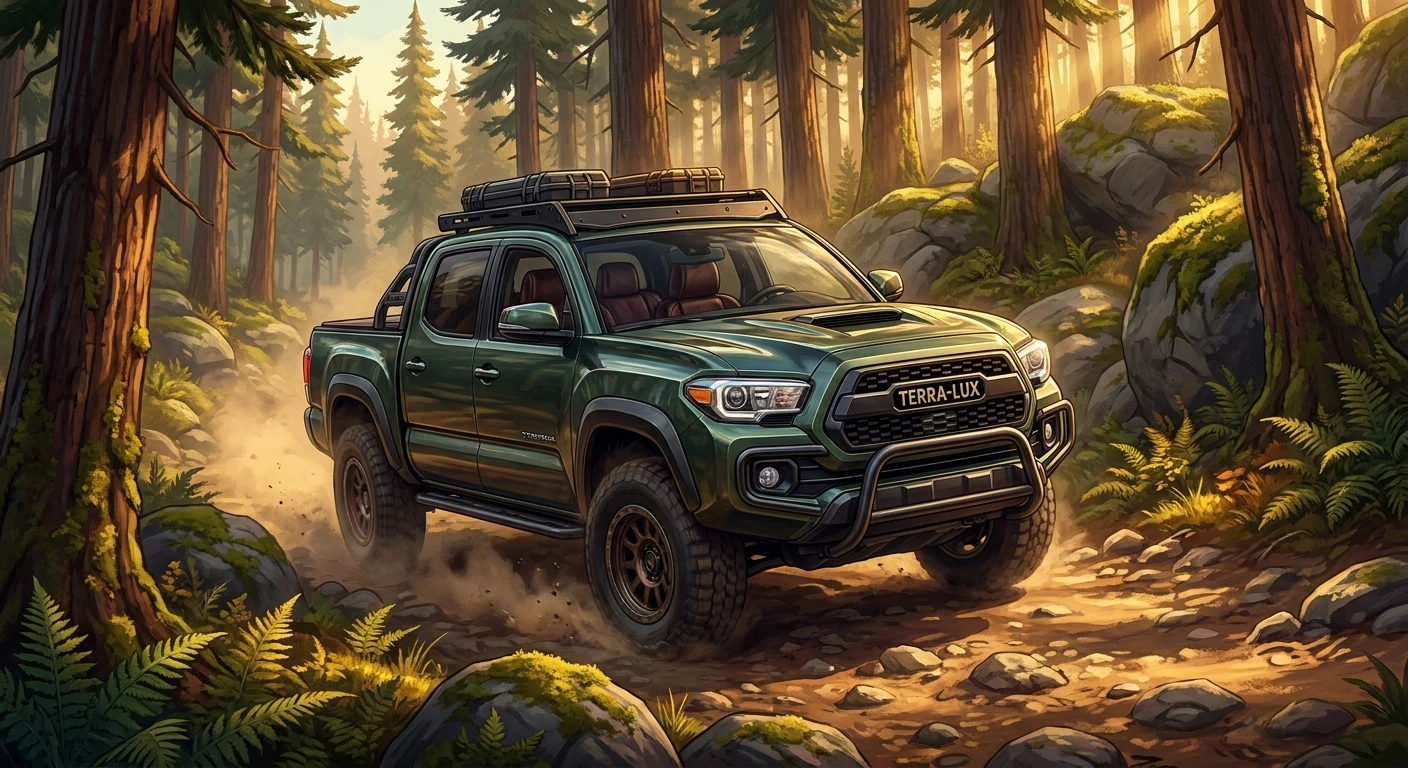
Why the GMC Canyon 2024 Dominates the Premium Midsize Truck Market
If you want a midsize pickup that refuses to compromise on luxury, capability, or rugged off-road dynamics, the GMC Canyon 2024 demands your immediate attention. Gone are the days when buying a midsize truck meant settling for a bare-bones cabin and an underpowered engine. The automotive landscape has shifted dramatically, and buyers now expect their vehicles to seamlessly transition from punishing dirt trails to upscale city streets without skipping a beat. Right at the forefront of this movement is the GMC Canyon 2024, a vehicle engineered to overdeliver on every front. From its aggressive, wide-stance exterior to the meticulously crafted interior featuring premium materials and cutting-edge digital interfaces, this truck sets a benchmark. We are looking at a machine that utilizes advanced suspension geometry, high-output turbocharged power, and an integrated suite of trailering technologies to dominate its class. Forget what you thought you knew about traditional pickup limitations. The modern iteration of this nameplate proves that you can have exceptional towing capacity alongside refined daily driving comfort. Whether you are navigating remote overlanding routes or hauling equipment for weekend projects, understanding the precise engineering and diverse trim levels of this model is essential for making an informed purchasing decision.
Core Benefits, Trim Levels, and Unmatched Value
When evaluating the competitive advantages of this truck, the conversation immediately turns to its robust trim hierarchy and standard mechanical prowess. Unlike competitors that force buyers to upgrade to optional engines for adequate towing, every single trim level is equipped with a high-output powerplant. This standardization ensures that even the entry-level models provide class-leading torque and payload confidence. Furthermore, the interior cabin has been universally praised for bridging the gap between utilitarian durability and luxury aesthetics. You get digital gauge clusters, massive infotainment displays with Google Built-in integration, and ergonomic seating designed to reduce driver fatigue during long-haul journeys. The true value lies in the specialized trims, specifically tailored for distinct lifestyles.
Read also: Jeep Compass 2024: Complete Review & Guide; Epic 2024 chevrolet colorado zr2 Review.
| Trim Level | Engine and Torque Output | Standout Signature Feature |
|---|---|---|
| Elevation | 2.7L TurboMax (430 lb-ft) | Standard 11.3-inch diagonal center touchscreen display |
| AT4X | 2.7L TurboMax (430 lb-ft) | Multimatic DSSV dampers and front/rear e-lockers |
| Denali | 2.7L TurboMax (430 lb-ft) | Exclusive Teak/Palladium perforated leather and wood trim |
To fully grasp the core benefits, consider the top three advantages that consistently draw buyers away from rival brands:
- Segment-Leading Torque: The standard 430 lb-ft of torque outclasses numerous V6 and V8 engines found in older or competing platforms, delivering immediate low-end power for towing and rock crawling.
- Uncompromising Premium Cabin Materials: High-tier models feature authentic open-pore wood, laser-etched detailing, and premium leather upholstery, creating an environment that feels more like a luxury SUV than a work truck.
- Advanced Trailering Technology: Standard and available tech includes class-exclusive underbody cameras, integrated trailer brake controllers, and a dedicated off-road performance display app to monitor vehicle pitch, roll, and drivetrain status.
Origins of the Canyon Nameplate
The lineage of this specific vehicle traces back to a time when midsize trucks were strictly viewed as budget-friendly alternatives to full-size behemoths. Introduced in 2004 as a replacement for the aging Sonoma, the original iteration focused on compact efficiency and fleet utility. It shared a platform with its corporate sibling, the Chevrolet Colorado, and offered a range of inline-four and inline-five engines. While reliable, the first generation lacked the premium identity that GMC would later cultivate. It was a functional tool, designed for light duty and straightforward transportation, reflecting a market that had not yet embraced the lifestyle-oriented pickup truck.
Evolution of the Midsize Truck Segment
Between the discontinuation of the first generation in 2012 and the debut of the second generation in 2015, consumer expectations underwent a radical shift. Buyers began demanding more refinement, better fuel efficiency, and modern technology. The 2015 model answered this call, growing in size and introducing more powerful V6 engines alongside an efficient turbodiesel option. During this era, GMC began heavily differentiating its offerings by leaning into the premium ‘Denali’ sub-brand, proving that midsize truck buyers were willing to pay a premium for luxury finishes, advanced sound deadening, and sophisticated ride quality. The segment transformed from basic utility vehicles to adventure-ready daily drivers.
The Modern State of the 2024 Model
Following a massive ground-up redesign for the 2023 model year, the 2024 version represents the apex of this evolutionary timeline. It retains the aggressive, widened track and factory lift that made the redesign so popular, but it expands the portfolio with extreme off-road variations like the AT4X AEV Edition. This specific model year solidifies GMC’s strategy of abandoning the bare-bones work truck market entirely. By eliminating lower-tier engine options and standardizing high-end tech, the current generation positions itself strictly as a premium product. It is a highly specialized tool for enthusiasts who demand sophisticated engineering, robust towing capabilities, and an unapologetically bold road presence.
TurboMax Engine Architecture
The mechanical heart beating inside the engine bay is a marvel of modern automotive engineering. The 2.7-liter inline-four cylinder engine, branded as the TurboMax, is designed specifically for heavy-duty truck applications. Unlike car-derived turbocharged engines, this powerplant features a dual-volute turbocharger housing. This design essentially splits the exhaust pulses into two separate channels, directing them to the turbine wheel with maximum efficiency. The result is a near-instantaneous spool-up, virtually eliminating turbo lag and delivering peak torque at exceptionally low RPMs. To handle the extreme cylinder pressures required to generate 430 lb-ft of torque, the engine block is cast with internal ribbing for rigidity, and the bottom end utilizes a forged steel crankshaft and forged connecting rods. Advanced thermal management systems ensure the engine remains cool during sustained heavy towing up steep grades, while active fuel management can deactivate cylinders during light cruising to maximize highway fuel economy.
Chassis and Suspension Dynamics
Power means nothing without a chassis capable of putting it to the ground effectively. The front axle was moved forward during the recent redesign, dramatically improving the approach angle and allowing for the fitment of larger 33-inch mud-terrain tires straight from the factory on select trims. The crown jewel of the suspension lineup is the Multimatic Dynamic Suspensions Spool Valve (DSSV) dampers found on the AT4X. These advanced shocks use precision-machined spool valves instead of traditional shim plies to control fluid flow, resulting in predictable, fade-free damping over extreme washboard roads while maintaining excellent street comfort.
- Rigid Cast-Iron Block: Ensures long-term durability and resistance to thermal stress under heavy payload conditions.
- Dual-Volute Turbocharger: Optimizes exhaust gas flow for rapid turbine acceleration and instantaneous low-end torque delivery.
- Multimatic DSSV Dampers: Utilizes three separate spool valves to independently control compression and rebound damping for unparalleled off-road control.
- Selectable Drive Modes: Includes specialized calibrations for Terrain (one-pedal rock crawling), Off-Road, Tow/Haul, and Baja (high-speed desert running).
- Advanced Locking Differentials: Driver-selectable electronic locking front and rear differentials force wheels to spin at the same speed for maximum traction in deep mud or rock crawling.
Day 1: Initial Inspection and Fluid Check
Begin your ownership experience by conducting a thorough visual inspection. Even straight from the dealership, it is wise to verify all fluid levels, including engine oil, coolant, brake fluid, and windshield washer fluid. Check the tire pressures cold to ensure they match the recommended PSI found on the driver’s side door jamb, as dealership prep teams sometimes leave tires over-inflated from shipping. Familiarize yourself with the engine bay layout, noting the locations of the dipstick and battery terminals.
Day 2: Bedding the Brakes
To ensure optimal braking performance and longevity, take time to properly bed the brake pads to the rotors. Find a safe, empty stretch of road. Accelerate to roughly 45 mph, then apply firm, steady pressure to the brake pedal to reduce speed to about 10 mph without coming to a complete stop. Repeat this process several times to transfer an even layer of friction material onto the rotors. Allow the brakes to cool completely before parking the vehicle.
Day 3: Variable RPM Highway Cruising
During the initial break-in period, avoid setting the cruise control at a constant speed for long durations. Take the truck on a highway drive where you can safely vary your speed and engine RPMs. This practice helps seat the piston rings properly against the cylinder walls, ensuring maximum engine compression and minimizing oil consumption over the life of the vehicle. Avoid full-throttle acceleration during this phase.
Day 4: Suspension Component Torquing
After a few hundred miles of mixed driving, the suspension components will settle into their natural positions. Use a calibrated torque wrench to check the tightness of the lug nuts and easily accessible suspension bolts. While modern manufacturing is highly precise, ensuring that no fasteners have backed out during the initial settling phase provides peace of mind, especially if you plan to take the truck off-road soon.
Day 5: Infotainment and Telematics Setup
Dedicate time to personalizing the digital ecosystem within the cabin. Log into the Google Built-in system with your account to access personalized maps, voice assistant features, and downloaded applications. Pair your smartphone via wireless Apple CarPlay or Android Auto. Customize the digital driver information center to display the gauges and telematics most relevant to your daily driving habits, such as fuel economy, tire pressure, or the pitch-and-roll indicators.
Day 6: First Payload Test
With the engine and brakes sufficiently broken in, introduce the truck to its first light hauling task. Load the bed with a moderate amount of weight—perhaps a few hundred pounds of landscaping supplies or camping gear. Pay attention to how the suspension handles the load and how the transmission shift points adapt in Tow/Haul mode. This is an excellent opportunity to familiarize yourself with the tie-down points and bed lighting features.
Day 7: Oil Change and Off-Road Readiness
While modern synthetic oils are designed to last thousands of miles, many enthusiasts prefer an early oil change after the first 500 to 1,000 miles to remove any microscopic metal shavings generated during the engine’s initial break-in. Once completed, your vehicle is fully prepped. Engage the four-wheel-drive system on a loose gravel or dirt surface to ensure smooth engagement of the transfer case, and confidently plan your first major off-road excursion.
Myths and Reality
Myth: Four-cylinder engines cannot handle heavy towing or sustained hauling tasks.
Reality: The 2.7L TurboMax outputs an astonishing 430 lb-ft of torque, which exceeds the pulling power of many older naturally aspirated V8 engines. The dual-volute turbo ensures this torque is available almost immediately, making towing effortless.
Myth: The Canyon is simply a rebadged version of the Chevrolet Colorado with a different logo.
Reality: While they share an underlying platform, the GMC features entirely distinct exterior sheet metal, exclusive luxury trims like the Denali with unique interior materials, and a standard wider track and factory lift across all trims, unlike its corporate sibling.
Myth: Factory off-road trims are merely appearance packages with aggressive tires.
Reality: Trims like the AT4X include serious, purpose-built mechanical upgrades. You receive Multimatic DSSV spool-valve dampers, cast-iron control arms, electronic locking front and rear differentials, and extensive underbody skid plates engineered for extreme abuse.
What is the maximum towing capacity?
When properly equipped with the trailering package, most trims boast a maximum towing capacity of 7,700 pounds. Specialized off-road trims like the AT4X have a slightly reduced capacity due to their softer off-road suspension tuning, typically rated around 6,000 pounds.
Does the 2024 model offer a V6 or diesel engine?
No. GMC simplified the powertrain lineup to exclusively feature the 2.7L TurboMax inline-four engine. This single engine option provides more horsepower and torque than both the outgoing V6 and the turbodiesel, rendering them obsolete.
Is wireless smartphone integration standard?
Yes, wireless Apple CarPlay and wireless Android Auto are standard features across the entire trim lineup, connecting seamlessly to the large 11.3-inch center infotainment display without the need for messy USB cables.
What is the fuel economy like?
Fuel economy varies based on trim and tire size. Standard rear-wheel-drive or standard 4WD models average around 18-21 mpg combined. The heavier AT4X with mud-terrain tires will see slightly lower efficiency, typically averaging around 16-17 mpg combined.
Does the AT4X AEV Edition offer more ground clearance?
Yes. The AEV Edition pushes the extreme off-road capability even further, offering a higher factory lift that results in an impressive 12.2 inches of ground clearance, alongside massive 35-inch Goodyear Wrangler Territory MT tires.
What size is the truck bed?
The vehicle is offered exclusively in a crew cab, short box configuration. The truck bed measures approximately 5 feet 2 inches long. It includes multiple heavy-duty tie-down loops and an available 120-volt bed-mounted power outlet.
Is the suspension lifted from the factory?
Yes. The standard trims feature an ultra-wide stance and a 2-inch factory lift compared to the previous generation. The AT4X trim receives a 3-inch factory lift to accommodate larger tires and increase suspension travel.
The GMC Canyon 2024 represents a masterclass in modern truck engineering, blending brutal off-road capability with luxury-car refinement. From the undeniable low-end grunt of the TurboMax engine to the sophisticated ride provided by its advanced chassis tuning, this truck refuses to compromise. If you are ready to elevate your daily commute and conquer weekend trails in unparalleled comfort, head to your local dealership to schedule a comprehensive test drive today!





Leave a Reply