

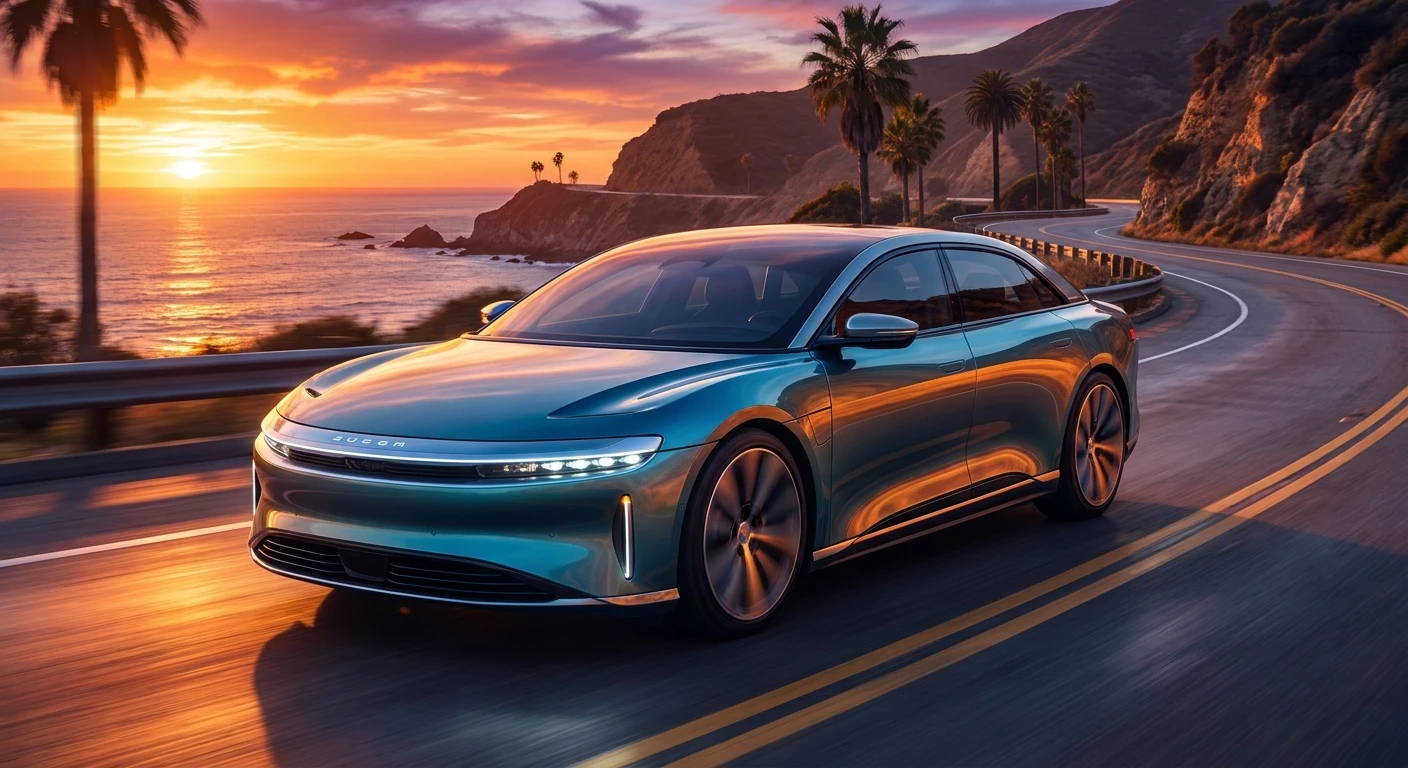
Toyota Camry Hybrid 2025: The Definitive Guide to Engineering and Efficiency
When evaluating the midsize sedan market, the Toyota Camry Hybrid 2025 stands out as a definitive benchmark for fuel efficiency, reliability, and everyday driving comfort. The automotive landscape shifted significantly when it was announced that the ninth generation of this legendary sedan would exclusively feature a hybrid powertrain, abandoning the traditional V6 and standalone internal combustion engines for most global markets. This bold engineering decision underscores a massive industry shift toward sustainable, high-efficiency transportation without compromising on the smooth, quiet, and robust performance that drivers expect from a premium midsize vehicle. The sedan offers a meticulously engineered balance of power and economy, seamlessly blending a high-compression combustion engine with advanced electric motors. For daily commuters, fleet operators, and family drivers alike, understanding the precise capabilities, technological integrations, and ownership dynamics of this specific model is essential. The vehicle represents decades of iterative improvements, resulting in a chassis that is stiffer, a cabin that is quieter, and a powertrain that delivers instantaneous torque while sipping fuel at an incredibly low rate. This comprehensive breakdown evaluates the core benefits, historical context, mechanical architecture, and practical ownership strategies associated with this market-leading vehicle.
Core Benefits and Everyday Utility
The primary advantage of the ninth-generation powertrain is its unparalleled ability to minimize fuel consumption while actually increasing total system horsepower compared to previous four-cylinder iterations. Drivers immediately notice the refinement in power delivery; the transition between pure electric propulsion and internal combustion is practically imperceptible. This smooth operation reduces driver fatigue during stop-and-go traffic, while the availability of Electronic On-Demand All-Wheel Drive provides exceptional confidence during adverse weather conditions. The value proposition is clear: you receive the spaciousness of a traditional family sedan, the technological amenities of an entry-level luxury car, and the operating costs of a subcompact economy vehicle. For example, buyers choosing the LE trim benefit from maximum aerodynamic efficiency and lighter weight, maximizing their miles per gallon. Conversely, those opting for the XSE trim trade a marginal amount of fuel efficiency for aggressive styling, larger wheels, and sport-tuned suspension components, proving that eco-friendly driving does not require sacrificing aesthetic appeal or handling dynamics.
Read also: 2021 Toyota Corolla: Specs, Features & Reliability Review; Lexus ES 2026: Features, Specs, and Ultimate Buyer Guide.
| Trim Level | Estimated MPG (City/Hwy) | Key Feature Focus and Standard Equipment |
|---|---|---|
| LE | 51 / 50 | 16-inch alloy wheels, 8-inch multimedia touchscreen, optimal fuel economy tuning |
| SE | 48 / 47 | Sport-tuned suspension, black exterior accents, SofTex-trimmed seating |
| XLE | 48 / 47 | Leather-trimmed interior, acoustic laminated glass, 12.3-inch digital gauge cluster |
| XSE | 47 / 46 | 19-inch dark gray metallic wheels, color-keyed sport grille, dual exhaust setup |
To fully grasp the daily operational advantages of this vehicle, one must look at the integrated systems that work simultaneously to enhance the driving experience. The engineering team prioritized three main pillars of everyday utility:
- Unmatched Fuel Economy: Utilizing the fifth generation of the Toyota Hybrid System, the vehicle consistently achieves up to 51 miles per gallon in city driving, drastically reducing annual fuel expenditures and minimizing gas station visits.
- Enhanced Safety Integration: Equipped standard with Toyota Safety Sense 3.0, the vehicle utilizes high-resolution cameras and millimeter-wave radar to provide proactive driving assists, including pre-collision braking, lane departure alert with steering assist, and full-speed range dynamic radar cruise control.
- Dynamic Electronic All-Wheel Drive: Unlike traditional mechanical AWD systems that require heavy driveshafts, the available AWD system uses a dedicated rear electric motor to provide instantaneous traction to the rear wheels when slippage is detected, maintaining optimal efficiency when cruising.
The Origins of the Camry Lineage
The lineage of this iconic sedan traces back to 1982, initially launched as the Celica Camry in the Japanese domestic market before becoming a standalone nameplate. Originally conceived as a compact, narrow-body vehicle designed to navigate tight urban streets while offering reliable transportation, it quickly garnered a reputation for indestructible build quality. Throughout the 1980s and 1990s, the vehicle evolved dramatically, expanding into the wide-body XV10 generation that cemented its status as a premier midsize family sedan globally. This transition marked a crucial shift from a purely utilitarian compact to a comfortable, spacious highway cruiser that prioritized passenger comfort and long-term durability.
The Evolution of Hybrid Synergy Drive
The integration of electric propulsion into this specific sedan platform first occurred in 2007, marking a pivotal moment in automotive history. While the Prius had already proven the viability of the hybrid concept, installing the Hybrid Synergy Drive into a mainstream, high-volume midsize sedan proved that the technology could appeal to the masses without requiring a futuristic design. Early iterations prioritized smooth operation but occasionally suffered from reduced trunk space due to bulky nickel-metal hydride battery packs. Over subsequent generations, engineers meticulously refined the system, transitioning to lighter, more energy-dense lithium-ion chemistry and relocating the battery beneath the rear seats to preserve passenger and cargo volume entirely.
The Modern State of the Midsize Sedan
The 2025 iteration, designated within the XV80 generation, represents the absolute pinnacle of this evolutionary process. By moving exclusively to an electrified powertrain, the manufacturer acknowledged that internal combustion alone can no longer meet the stringent global emissions standards and consumer demands for efficiency. Built on a heavily modified version of the TNGA-K (Toyota New Global Architecture) platform, the vehicle exhibits exceptional torsional rigidity. This modern state reflects a broader industry trend where the traditional sedan, once threatened by the crossover SUV boom, has found renewed purpose as a highly aerodynamic, hyper-efficient, and technologically sophisticated alternative for discerning drivers.
The Fifth-Generation Hybrid Powertrain Explained
Beneath the hood lies a sophisticated mechanical symphony. The core of the system is a 2.5-liter naturally aspirated four-cylinder engine engineered specifically for hybrid applications. Unlike conventional engines, this powerplant operates on the Atkinson cycle, which holds the intake valve open slightly longer during the compression stroke. This reduces pumping losses and maximizes thermal efficiency. This internal combustion engine is paired with two highly compact motor-generators housed within a redesigned transaxle. The fifth-generation system utilizes lower-viscosity transaxle oil and optimized gear train designs to reduce internal friction drastically. In front-wheel-drive configurations, the combined system output reaches 225 horsepower, while all-wheel-drive models benefit from a dedicated rear motor that bumps total output to 232 horsepower, providing brisk acceleration.
Aerodynamics and Structural Rigidity
Efficiency is not dictated solely by the engine; aerodynamic drag plays a massive role in highway fuel consumption. The exterior design incorporates functional aero-stabilizing fins, a smooth underbody panel setup, and active grille shutters that close at high speeds to direct air around the vehicle rather than through the engine bay. These engineering choices minimize the drag coefficient. Furthermore, the extensive use of ultra-high-tensile steel throughout the chassis improves structural rigidity, which allows the suspension to absorb impacts more effectively without transferring harsh vibrations into the cabin.
- Thermal Efficiency: The 2.5-liter Atkinson cycle engine achieves a remarkable 41% thermal efficiency, one of the highest ratings for any production internal combustion engine.
- Kinetic Energy Recovery: The regenerative braking system seamlessly converts kinetic energy back into electrical energy during deceleration, capturing power that would otherwise be lost as heat through the brake pads.
- Battery Chemistry: The shift to a high-capacity lithium-ion battery pack provides faster charge and discharge rates compared to older nickel-metal hydride units, allowing the vehicle to operate in EV mode more frequently at low speeds.
- Power Control Unit (PCU): The redesigned PCU is smaller, lighter, and mounted directly above the transaxle, reducing energy loss during the conversion between direct current (DC) from the battery and alternating current (AC) for the motors.
Step 1: Define Your Daily Commute Profile
The first step in maximizing the value of your vehicle is analyzing your daily driving habits. If your commute consists heavily of stop-and-go city traffic, you will naturally achieve the highest possible miles per gallon, as the regenerative braking system will constantly recharge the battery. Conversely, if you drive exclusively on high-speed interstates, your efficiency will slightly decrease, though it remains exceptional compared to non-hybrid alternatives. Understanding your route helps set accurate expectations for fuel savings.
Step 2: Compare Front-Wheel Drive vs. All-Wheel Drive Needs
Deciding between FWD and AWD is crucial. The Electronic On-Demand AWD system adds a dedicated electric motor to the rear axle, providing extra traction in snow, heavy rain, or loose gravel. Because there is no mechanical driveshaft connecting the front and rear, the AWD system only activates when necessary, meaning the fuel economy penalty is astonishingly small—usually just 1 to 2 MPG. If you live in a region with harsh winters, the AWD configuration is highly recommended.
Step 3: Evaluate Interior Tech Requirements
Assess your requirement for digital connectivity. The standard configuration includes an 8-inch touchscreen, but technology-focused drivers should consider upgrading to the 12.3-inch multimedia display paired with the 12.3-inch digital gauge cluster. Ensure you set up the wireless Apple CarPlay or wireless Android Auto functionality during your initial delivery, and download the official companion app to utilize remote start, lock/unlock features, and vehicle health monitoring directly from your smartphone.
Step 4: Analyze Trim Levels and Budget Allocation
Carefully weigh the aesthetic and comfort upgrades against your budget. The LE offers the best pure efficiency and ride comfort due to its smaller wheels and taller tire sidewalls. The SE and XSE cater to those who prefer a firmer, more controlled ride and sportier visual cues. The XLE is designed for maximum quietness, utilizing acoustic laminated front side glass to block out wind noise, making it the ideal choice for long-distance highway commuters seeking a serene cabin environment.
Step 5: Schedule a Comprehensive Test Drive
When test driving, pay specific attention to the brake pedal feel. Hybrid vehicles use a blended braking system that transitions between electrical regeneration and physical friction braking. The fifth-generation system has vastly improved this transition to feel natural, but it may still require a brief adjustment period if you are transitioning from a traditional vehicle. Additionally, test the acceleration merging onto a highway to experience the instantaneous torque provided by the electric motors.
Step 6: Review Warranty and Maintenance Plans
Familiarize yourself with the extensive warranty coverage. The hybrid battery pack is covered for 10 years or 150,000 miles, whichever comes first, providing immense peace of mind regarding long-term ownership costs. The hybrid system components (such as the inverter and control modules) are typically covered for 8 years or 100,000 miles. Understanding these factory protections is vital for avoiding unnecessary third-party extended warranties.
Step 7: Finalize Financing and Delivery Logistics
Once you have selected your ideal trim and color combination, review your financing options, keeping in mind that highly efficient vehicles sometimes qualify for specific green-energy loan rates through certain credit unions. Upon delivery, have the dealership specialist walk you through the various drive modes (Eco, Normal, Sport) so you understand how throttle response and steering weight are altered, ensuring you get the most personalized driving experience from day one.
Addressing Common Hybrid Misconceptions
Myth: Hybrid batteries only last a few years and cost a fortune to replace out of pocket. Reality: Modern high-voltage battery packs are engineered to last the lifetime of the vehicle under normal conditions, and the manufacturer backs them with a rigorous 10-year/150,000-mile warranty for total peace of mind.
Myth: Electrified midsize sedans are sluggish on the highway and struggle to pass slower traffic. Reality: The combined output of up to 232 horsepower, coupled with the instantaneous torque delivery from the electric drive motors, makes highway merging and passing significantly more responsive than older naturally aspirated four-cylinder models.
Myth: You need to plug this vehicle into a wall outlet or charging station to keep it running. Reality: This specific model is a traditional self-charging hybrid. The internal combustion engine and the regenerative braking system automatically recharge the battery pack while you drive, requiring absolutely no external plugging or infrastructure changes to your home.
What is the top speed of the 2025 model?
The vehicle is electronically limited to a top speed of approximately 115 mph, optimized for highway stability and safety rather than track-level performance.
Does the new sedan offer wireless Apple CarPlay?
Yes, wireless Apple CarPlay and wireless Android Auto come standard across all trim levels, allowing for seamless smartphone integration without cables.
How much cargo space is available in the trunk?
The trunk offers 15.1 cubic feet of cargo space. Because the battery pack is located securely beneath the rear seats, no trunk capacity is sacrificed for the electrified powertrain.
Is a panoramic glass roof available?
Yes, a panoramic glass roof with a front power tilt/slide moonroof is available as an optional upgrade on the higher XLE and XSE trim levels.
What type of transmission does the vehicle use?
It utilizes an electronically controlled continuously variable transmission (eCVT), which uses planetary gears and electric motors rather than traditional physical gear ratios to deliver smooth, uninterrupted power.
Can the car drive on electric power alone?
Yes, under low-speed conditions, light throttle applications, or when coasting, the system can shut off the gas engine entirely and propel the vehicle using only the electric motor for short distances.
Are heated and ventilated seats offered?
Heated front seats are available on lower trims and standard on higher trims. Ventilated front seats are an available premium option on the XLE and XSE configurations.
What is the recommended oil change interval?
Under normal driving conditions, the manufacturer recommends synthetic oil changes every 10,000 miles or 12 months, though harsh conditions may necessitate 5,000-mile intervals. To wrap up, the Toyota Camry Hybrid 2025 fundamentally redefines what drivers can expect from a daily commuter, offering exceptional mileage, robust safety tech, and impressive comfort. Take the next step toward automotive efficiency and test drive this midsize hybrid sedan today to experience the seamless blend of power and economy for yourself.





Leave a Reply