

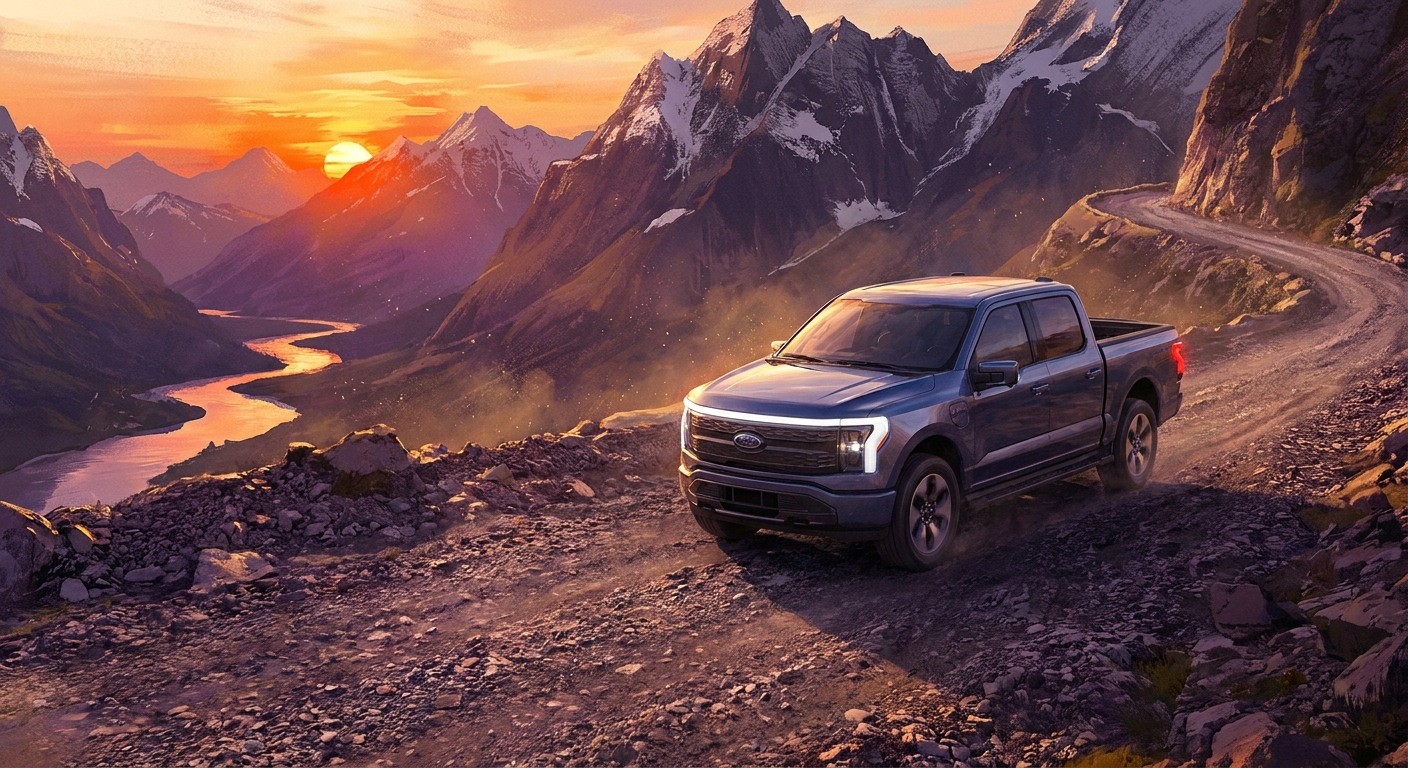
Everything About the 2024 toyota tundra
Look, if you are seriously considering buying a 2024 toyota tundra, you already know you need a machine that simply refuses to quit on you when things get tough. Honestly, finding a truly reliable full-size pickup feels a bit overwhelming these days with so many options flooding the market. I was just talking to a buddy back in Kyiv about this exact situation last winter. He needed something highly capable of hauling construction supplies across some pretty torn-up, muddy roads out west near the Carpathian mountains. I immediately pointed him toward this exact model. The weather there gets brutal, and you cannot afford to be stranded with a broken suspension or a stalling engine.
Since we are sitting here in 2026, we actually have the immense benefit of hindsight. We can see exactly how the ’24 model holds up after a couple of years of serious, unforgiving abuse. Spoiler alert: it is an absolute beast. I am going to break down exactly what makes this truck tick, completely skipping the corporate jargon you normally see on shiny dealership websites. We are looking at real-world usability, towing capacities that actually make sense for a normal person, and cabin comfort that rivals some top-tier luxury sedans. It is a completely different vibe from the older, gas-guzzling V8 models you might be used to driving. Stick around, because we are checking out every single bolt, massive screen, and suspension tweak that defines this specific generation.
Let’s talk about what the truck actually gives you every single day you turn the key. The massive switch from the classic V8 engine to the twin-turbo V6 was highly controversial at first, but it brought massive, undeniable benefits to daily driving. First, the low-end torque is just ridiculous. You hit the gas pedal, and the truck just pulls effortlessly, whether you have a completely empty bed or you are dragging a heavy flatbed trailer full of bricks. Second, the interior technology is finally up to par with the rest of the automotive industry. The massive infotainment screen actually responds quickly to your touch, which is a huge relief if you remember the laggy systems from a decade ago.
Imagine you are hauling a 9,000-pound camper up a steep grade. The older trucks would scream, hunt for gears, and stress you out. This one just hums along peacefully. Or think about your daily commute in heavy traffic—the cabin is so quiet and refined that you easily forget you are driving a massive, heavy brick through the wind.
To get the absolute most out of this machine, you have to know how to use it properly:
- Always configure the specific driving modes for your current load. Do not just leave it in Normal mode if you are hauling heavy materials; switch over to Tow/Haul to optimize the transmission shift points and save your brakes.
- Keep a close eye on the turbocharger health by letting the engine idle for about thirty seconds after a long, heavy haul before shutting it off. This lets the oil cool the bearings.
- Utilize the advanced camera systems constantly. The 360-degree panoramic view monitor is an absolute lifesaver when trying to squeeze this giant vehicle into tight city parking spots.
- Check your tire pressure dynamically through the dash screen. The payload shifts weight dramatically, and proper inflation keeps the ride smooth.
Here is a quick breakdown of what you get depending on how you spec it out:
| Feature | Standard Option (SR5) | Premium Upgrade (Capstone) |
|---|---|---|
| Engine Output | 389 horsepower V6 | 437 horsepower Hybrid V6 |
| Interior Screen Size | 8-inch standard touchscreen | 14-inch massive touchscreen |
| Suspension Setup | Standard coil-spring rear | Load-leveling rear air suspension |
Let’s be totally real, there are some downsides to consider. The hybrid battery pack eats up the under-seat storage space in the back row. If you desperately need that dry space for expensive tools, you might find the standard non-hybrid version far more practical for your daily workflow. But overall, the smooth power delivery usually makes up for the lost storage.
The Origins of the Giant
Toyota was not always a major player in the aggressive full-size truck market. Back in the day, they gave us the T100. It was a great, reliable vehicle, but it was definitely not a true full-size competitor by any stretch of the imagination. American buyers specifically wanted something bigger, louder, wider, and vastly stronger. Toyota listened to the feedback. They built a massive manufacturing factory down in Texas and started cranking out trucks that could finally stand toe-to-toe with the domestic heavyweights. The early generations proved beyond a shadow of a doubt that a Japanese brand could engineer a rugged truck that would not fall apart after 100,000 miles of hard, relentless labor.
Evolution of the V8 Era
For a very long time, the core identity of this specific truck was tied entirely to its incredibly reliable, bulletproof 5.7-liter V8 engine. People absolutely loved it. It sounded fantastic when you stepped on it and ran forever with basic maintenance. You have probably heard stories of million-mile trucks that never needed an engine rebuild. But it also drank expensive fuel like there was no tomorrow. As global emissions regulations got significantly tighter and fuel prices fluctuated wildly, the engineers realized they could not just keep selling the exact same V8 for another ten years. The necessary evolution required a total redesign from the ground up, ditching the old-school leaf springs for a modern coil-spring rear suspension and swapping the thirsty V8 for something vastly smarter.
The Modern State
Fast forward to now, and the modern state of this truck is completely redefined. The entirely new platform, which is actually shared with the legendary global Land Cruiser, brought unprecedented frame rigidity and on-road ride comfort. The current generation proved to the toughest critics that you simply do not need eight cylinders to do serious truck stuff anymore. The seamless integration of electric motors into the drivetrain on the high-end hybrid models showed that the manufacturer is completely serious about keeping the torque output high while keeping the emissions relatively manageable.
Understanding the i-FORCE Powertrain
Let’s get a bit nerdy about what is actually happening under the hood right now. The traditional massive cast-iron block engine is totally gone. In its place sits a highly advanced 3.4-liter twin-turbocharged V6. When we talk about turbos, we are talking about forced induction. This simply means the hot exhaust gases spin a tiny turbine, which in turn forces highly compressed, dense air back into the engine block. More air mixed with more fuel equals a massive explosion and lots of usable power. The hybrid version takes this a step further by placing a powerful electric motor and generator right between the engine and the 10-speed automatic transmission. This means you get instantaneous, head-snapping torque. Before the turbochargers even have time to spool up and push air, the electric motor physically shoves the truck forward. It is brilliant engineering that effectively eliminates dreaded turbo lag completely.
The Magic of the Composite Bed
You might easily notice the bed of the truck is not made of traditional stamped steel. It is actually constructed from a highly durable Sheet-Molded Composite (SMC) material that is reinforced heavily with solid aluminum cross members. Steel naturally rusts and dents when exposed to the elements. Aluminum dents easily and can be quite tricky to repair properly. This specific composite material is scientifically designed to take a severe beating without showing any permanent signs of damage.
- The engine block is precision-cast from a specialized, lightweight aluminum alloy to shed overall weight while maintaining excellent thermal efficiency.
- The hybrid battery is a completely sealed Nickel-Metal Hydride (Ni-MH) pack operating at exactly 288 volts, strategically placed under the rear seats to optimize vehicle weight distribution.
- Overall aerodynamic drag is significantly reduced using active front aero spoilers that deploy automatically at highway speeds to push airflow around the massive tires.
- The fully boxed, high-strength steel ladder frame uses advanced laser welding techniques to increase overall rigidity by roughly 20% compared to the older generations.
Need to get to know your new truck? Here is a perfect, highly detailed 7-day plan to properly break it in and test every single feature available to you.
Day 1: The Daily Commute Test
Take the truck on your regular, everyday route to work. Focus heavily on finding the perfect seating position, adjust your massive towing mirrors, and spend time playing with the infotainment touchscreen. See how the vehicle handles stop-and-go morning traffic and feel exactly how smoothly the 10-speed transmission shifts between gears when you are barely touching the gas pedal.
Day 2: The Highway Cruise
Get on the local interstate or highway. Turn on the advanced adaptive cruise control and the lane-keeping assist features. Pay close attention to the cabin wind noise and notice how incredibly stable the truck feels when cruising at 75 miles per hour. It should feel planted, heavy, and extremely secure on the road.
Day 3: Payload Capacity Check
Drive over to the local hardware store. Buy some heavy bags of garden soil, wet sand, or thick lumber. Load up the SMC composite bed and see firsthand how the rear coil suspension handles the extra weight. It should not sag heavily or bounce around like older leaf-sprung trucks used to do.
Day 4: Towing Trial
Hitch up a trailer to the back. Even if it is just a small, empty utility trailer, firmly engage the Tow/Haul mode via the center console. Watch closely how the digital gauge cluster changes its layout and feel the enhanced braking power when you slow down for a red light.
Day 5: Off-Road Exploration
Find some local dirt roads, mud pits, or a challenging trail. If you opted for the TRD Off-Road package, physically engage the four-wheel drive system, lock the rear differential, and test out the low-speed Crawl Control system on a steep, slippery incline.
Day 6: Night Driving Dynamics
Take the truck out after the sun goes down. Test the ultra-bright auto-leveling LED headlights on a dark road. Notice how well the interior ambient cabin lighting works without blinding you or distracting you from the road ahead.
Day 7: The Deep Clean and Garage Fit
Carefully hand wash the truck to really inspect the paint quality and check the panel gaps for consistency. Finally, attempt to pull it into your driveway or home garage. Practice extensively using the 360-degree high-definition cameras to park it perfectly straight.
People talk a lot of total nonsense about modern trucks on the internet. Let’s clear the air and state the facts.
Myth: A V6 engine can never tow as well or last as long as a massive V8.
Reality: The modern twin-turbo V6 produces significantly more torque at much lower RPMs than the old naturally aspirated V8, making heavy towing actually far easier and notably less strained on the transmission.
Myth: Hybrid trucks are built just for saving gas on the highway.
Reality: In this specific truck, the complex hybrid system is designed primarily for raw performance and instant torque delivery off the line, not just maximizing your fuel economy numbers.
Myth: Composite beds are basically cheap plastic and will shatter if you drop heavy metal tools in them.
Reality: The SMC composite is incredibly resilient, resisting nasty dents and completely ignoring rust far better than traditional steel beds, even under extreme daily abuse.
Myth: Too much screen technology makes the entire truck highly unreliable over time.
Reality: While software screens can occasionally glitch, the core mechanical drivetrain components are heavily over-engineered to withstand hundreds of thousands of miles without major failure.
Does it require premium gas?
No, regular 87 octane fuel works perfectly fine for daily driving, though putting in premium fuel can slightly optimize engine performance when towing heavy loads up mountains.
How is the rear legroom?
The CrewMax cab configuration offers absolutely massive rear legroom, comfortably fitting tall adults with plenty of space to spare.
Is the hybrid battery fully warranted?
Yes, the manufacturer covers the hybrid battery component for an impressive 10 years or 150,000 miles, whichever comes first.
Does it have wireless Apple CarPlay?
Yes, both wireless Apple CarPlay and Android Auto come entirely standard across all current trim levels.
Can it actually fit in a standard garage?
It is a very tight squeeze. You absolutely must measure your home garage depth and width carefully before bringing it home.
What is the exact payload capacity?
Depending precisely on the trim and cab configuration, the payload capacity comfortably ranges from about 1,500 to 1,940 pounds.
Are the rear windows roll-down?
Yes, the CrewMax version proudly features the brand’s signature fully rolling down rear glass window, which is amazing for fresh air.
Is the ride bumpy empty?
The new coil springs make it ride much smoother than older trucks, though it still feels like a truck over large potholes.
Can you turn off the auto start/stop?
Yes, there is a dedicated physical button on the dash to disable the engine turning off at stoplights if you dislike the feature.
Does it have a built-in brake controller?
Yes, an integrated trailer brake controller is easily accessible on the dashboard for seamless towing adjustments.
Honestly, spending quality time with this truck proves it is a massive, undeniable leap forward for the brand. From the crazy, instant torque provided by the hybrid system to the incredibly comfortable, quiet cabin, it completely redefines what a daily driver work truck can actually be. If you want a rig that perfectly balances extreme towing capability with premium sedan comfort, go test drive one today and experience it for yourself!





Leave a Reply