

2025 Camry: A Complete Guide to the Hybrid Revolution
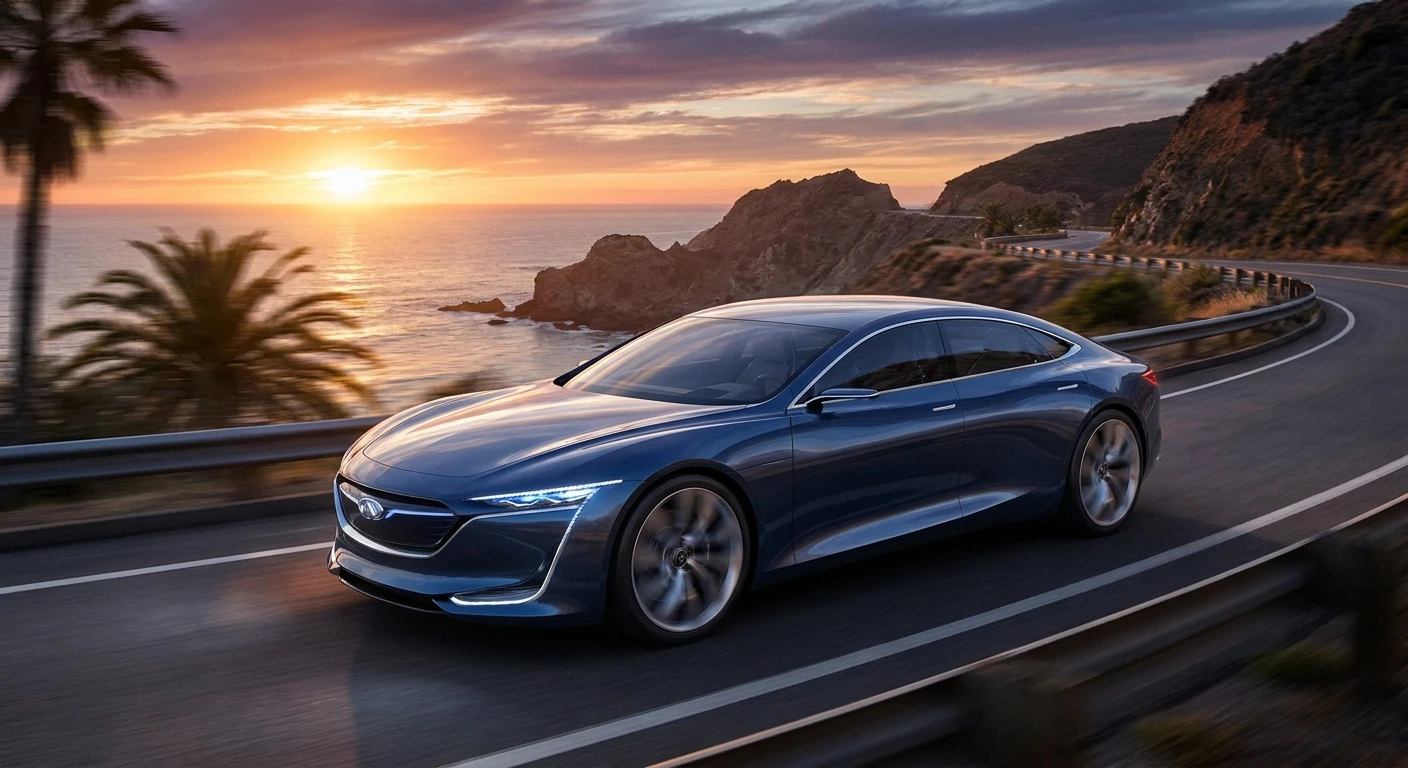
The automotive landscape took a massive turn when the 2025 Camry hit the streets, proving that highly practical family sedans can ditch traditional purely gasoline engines without sacrificing an ounce of performance. Back in 2024, when the complete redesign was first announced for the 2025 model year, the manufacturer’s decision to go strictly hybrid sent shockwaves through the industry. Now, looking at this vehicle from a 2026 perspective, that bold move proved remarkably successful. This ninth-generation model blends striking exterior styling with exceptional fuel efficiency, fundamentally shifting expectations for what a daily commuter vehicle should deliver. You are looking at a sedan that perfectly balances cutting-edge battery technology with the legendary reliability the badge is famous for. The thesis is simple: the latest iteration of this flagship sedan maximizes value by combining standard electrification, sophisticated interior electronics, and confident driving dynamics into a single, highly accessible package. Whether you prioritize saving money at the gas pump or want the latest advanced active safety systems, understanding the mechanical and technological upgrades in this vehicle will clarify exactly why it remains a dominant force in the global automotive market. Every single detail, from the sharp hammerhead front fascia to the heavily retuned suspension, demonstrates a deep commitment to functional, stylish engineering.
When evaluating the core benefits of this sedan, the decision to make the vehicle exclusively hybrid means immediate and noticeable cost savings for owners. The engineering upgrades deliver an incredible value proposition. Take a look at two distinct examples. First, a driver commuting fifty miles daily saves hundreds of dollars annually on fuel compared to previous strictly gasoline generations, easily offsetting any initial purchase premium associated with hybrid technology. Second, the instantaneous torque provided by the integrated electric motors delivers far better city responsiveness. You know that frustrating delay when you step on the gas in traditional cars? The electric motors completely eliminate that lag, making stop-and-go traffic significantly less stressful.
Read also: Review of the Kia K4 2025: A Bold Sedan; Jeep Compass 2024: Complete Review & Guide.
Let’s look at the core trim levels, their defining specifications, and what they bring to your daily drive.
| Trim Level | Drivetrain & Horsepower | Key Focus & Suspension Setup |
|---|---|---|
| LE / XLE | FWD (225 hp) / AWD (232 hp) | Maximum comfort, softly tuned suspension, high mpg, premium acoustic glass. |
| SE | FWD (225 hp) / AWD (232 hp) | Sport-tuned shocks, firmer ride, aggressive black accents, sporty mesh grille. |
| XSE | FWD (225 hp) / AWD (232 hp) | Premium sport, 19-inch alloy wheels, dual exhaust, sport-tuned suspension. |
The advantages of choosing this model extend well beyond just fuel economy numbers. Here are the three main reasons this vehicle dominates its segment:
- Standard Electrification: Every single unit rolls off the assembly line with the fifth-generation hybrid system, seamlessly blending a robust 2.5-liter four-cylinder engine with powerful electric motors.
- Electronic On-Demand All-Wheel Drive: Instead of a heavy, space-consuming mechanical driveshaft running the length of the car, an independent electric motor powers the rear wheels. This provides instant traction in slippery conditions without ruining your fuel efficiency.
- Upgraded Cabin Technology: Dual digital displays, including a massive central touchscreen interface, bring the interior up to modern digital standards, offering lightning-fast processing speeds and highly intuitive wireless connectivity.
Origins of the Hybrid Shift
Understanding how we arrived at this current generation requires looking back at the nameplate’s long lineage. The concept of a hybrid family sedan was once considered a weird, niche experiment. Decades ago, automakers focused strictly on maximizing engine displacement to provide power. However, as global emissions regulations tightened and consumer fuel costs skyrocketed, engineering teams began testing battery-assisted drivetrains. The foundational seeds for the 2025 model were planted when early hybrid iterations proved that battery packs could easily survive hundreds of thousands of miles of heavy daily abuse. By integrating electric motors directly into the transaxle over successive generations, engineers created a highly refined blueprint that prioritized incredible longevity and efficiency above all else.
Evolution from V6 to Four-Cylinder Electrification
For many years, the absolute pinnacle of this sedan’s lineup featured a robust, naturally aspirated V6 engine. Buyers absolutely loved the smooth power delivery and the aggressive exhaust note, but it came at a massive cost to daily fuel economy. The shift away from the V6 engine was gradual but heavily calculated. Engineers realized that by pairing a highly efficient 2.5-liter four-cylinder engine with high-torque electric motors, they could completely replicate the highway passing power of a six-cylinder engine while consuming a fraction of the gasoline. This evolutionary step completely redefined the performance ceiling for midsize family sedans, proving you do not need six cylinders to go fast.
The Modern State of the Midsize Sedan
Fast forward to the modern automotive market, and the conventional gasoline-only family sedan is practically a museum relic. The modern state of the industry demands zero compromises from manufacturers. Drivers expect sky-high fuel economy, rapid acceleration off the line, comprehensive safety suites, and aggressive, head-turning styling. The ninth-generation design specifically addresses these intense demands with its striking “hammerhead” front grille and widened, aggressive stance. It firmly establishes that highly practical, utterly reliable transportation can also possess a dynamic, deeply engaging character.
Fifth-Generation Hybrid System Mechanics
For the mechanically inclined, the engineering packed under the hood represents a massive leap forward in powertrain design. The absolute heart of the vehicle relies on a highly advanced planetary gearset that acts as an electronic continuously variable transmission (eCVT). Unlike traditional automatic transmissions that use complex friction clutches and physical step gears that can wear out, this system uses two heavy-duty electric motor-generators interacting perfectly with the 2.5-liter Atkinson-cycle gas engine. The Atkinson cycle specifically delays the closing of the engine’s intake valve, maximizing the expansion ratio and extracting the absolute maximum kinetic energy from every single drop of fuel. The lithium-ion battery pack, cleverly mounted low under the rear passenger seats, stores regenerative braking energy and deploys it instantly when you aggressively press the accelerator pedal.
Aerodynamics and Structural Rigidity
Building a fast, highly efficient vehicle requires significantly more than just dropping a smart engine into a frame; it demands extreme aerodynamic optimization and a brutally rigid chassis. The famed TNGA-K platform underpins the vehicle, utilizing high-tensile steel and laser screw welding to create a dense structure that fiercely resists twisting under heavy cornering loads. This stiffness directly translates to a quieter cabin and sharper handling.
Here are the core technical specifications that define its dynamic performance:
- Battery Chemistry: A high-density lithium-ion pack replaces the older, heavier nickel-metal hydride units, significantly reducing overall vehicle weight and vastly improving battery charge and discharge rates.
- Thermal Efficiency: The 2.5-liter internal combustion engine achieves roughly 41 percent thermal efficiency, a staggering, world-class number for a production gasoline engine.
- e-AWD Architecture: A dedicated, independent rear electric motor provides up to 30 kW of raw power to the rear axle, activating seamlessly the millisecond sensors detect front-wheel slip.
- Suspension Geometry: Highly tuned MacPherson struts up front and a complex multi-link setup in the rear provide independent wheel articulation, perfectly isolating cabin occupants from harsh road imperfections and potholes.
If you are planning to purchase or lease this vehicle, successfully navigating the various trim levels and option packages requires a highly strategic approach. Here is a definitive, actionable step-by-step guide to evaluating and selecting the absolute perfect configuration for your specific lifestyle needs.
Step 1: Assess Your Daily Commute Range
Begin the process by carefully calculating your average daily mileage and your typical driving environment. If you spend hours stuck in heavy stop-and-go city traffic, the hybrid system’s regenerative braking and frequent low-speed electric-only operation will absolutely maximize your fuel savings. Highway commuters, on the other hand, will benefit far more from the sleek aerodynamic efficiency and the seamless cruising power of the combined gas and electric output at higher speeds.
Step 2: Choose Between LE/XLE Comfort and SE/XSE Sport
You must decide your primary driving priority: a plush, cloud-like ride or sharp, aggressive handling. The LE and XLE trims feature significantly softer suspension tuning specifically designed to absorb massive potholes and harsh highway expansion joints effortlessly. If you strongly prefer a tighter steering feel and flatter cornering on back roads, the SE and XSE models feature stiffer sport-tuned shock absorbers and thicker stabilizer bars.
Step 3: Inspect the Dual Digital Display Interface
Spend considerable time interacting directly with the infotainment system before signing any paperwork. The base models feature an adequate 8-inch screen, but the highly upgraded 12.3-inch touchscreen paired with a fully digital gauge cluster completely modernizes the entire cabin experience. Thoroughly test the wireless Apple CarPlay and Android Auto connections to ensure your smartphone pairs instantly and runs your preferred navigation applications without any noticeable lag.
Step 4: Test the Electronic On-Demand All-Wheel Drive
If you live in an area prone to heavy rain, deep snow, or black ice, testing the AWD system is absolutely crucial. Find a loose gravel patch or a steep, slippery incline during your test drive and accelerate firmly. You should actually feel the rear electric motor engage immediately, smoothly pushing the vehicle forward without any dangerous front-wheel spin or annoying torque steer.
Step 5: Evaluate the Toyota Safety Sense 3.0 Features
Active safety technology has advanced exponentially over the last few years. During your test drive, safely test the adaptive cruise control and the active lane-tracing assist on the highway. The computer system should read highway lane markers accurately and keep the vehicle perfectly centered without annoyingly bouncing between the painted lines. Pay close attention to the Proactive Driving Assist, which actually provides gentle, automated braking into sharp curves.
Step 6: Compare Financing and Hybrid Maintenance Costs
Sit down and run the hard financial numbers. While hybrid vehicles sometimes carry a slight initial price premium over traditional gas cars on the lot, you must factor in the massive long-term fuel savings and the exceptionally low maintenance requirements. The total lack of standard transmission belts, traditional alternators, and conventional mechanical starters means you have far fewer mechanical parts that can break over the lifetime of the vehicle.
Step 7: Finalize the Trim and Schedule the Delivery
Once you have confidently locked in your preferred trim level, exterior paint color, and drivetrain, closely review the final build sheet with the salesperson. Firmly avoid unnecessary, overpriced dealer add-ons, confirm the exact warranty details covering the expensive hybrid battery pack—which typically extends well past the basic bumper-to-bumper coverage—and proudly schedule your official delivery date.
Despite the massive, global popularity of automotive electrification, several highly persistent misconceptions still circulate widely among hesitant buyers.
Myth: Hybrids completely lack highway passing power and feel dangerously sluggish when merging.
Reality: The advanced combination of the high-revving gas engine and the instant torque from the dual electric motors provides immediate, forceful throttle response. You actually get significantly stronger, more immediate acceleration at highway speeds than older, naturally aspirated four-cylinder models.
Myth: The massive high-voltage battery needs replacing after just a few short years, costing thousands of dollars.
Reality: Modern lithium-ion packs are incredibly durable and are actively managed by highly sophisticated thermal cooling systems. They routinely last the entire functional lifetime of the vehicle, and they are heavily backed by massive factory warranties that often span 10 years or 150,000 miles.
Myth: Upgrading to the all-wheel-drive system cuts heavily into the interior trunk space and passenger legroom.
Reality: Because the smart AWD system uses a highly compact, independent electric motor mounted directly on the rear axle instead of a bulky mechanical driveshaft, the deep trunk volume and generous rear passenger legroom remain exactly identical to the front-wheel-drive models.
What is the fuel economy of the 2025 Camry?
The base front-wheel-drive LE model consistently achieves absolutely exceptional efficiency figures, frequently exceeding 50 miles per gallon in combined city and highway driving conditions under normal loads.
Does it still offer a V6 engine?
No. The massive generational redesign completely eliminated the heavy V6 engine option, permanently replacing it entirely with the high-output four-cylinder hybrid powertrain to guarantee vastly superior fuel efficiency and lower emissions.
Is Apple CarPlay wireless?
Yes, both Apple CarPlay and Android Auto connect entirely wirelessly across all available trim levels, integrating flawlessly directly into the standard high-resolution multimedia interface.
How does the e-AWD system work?
It utilizes a completely separate electric motor mounted strictly on the rear wheels that activates instantly and automatically when the main traction computer detects any slippage, providing immediate, secure grip.
Are the sporty SE trims stiffer?
Yes, both the SE and XSE models feature custom-tuned shock absorbers, significantly firmer coil springs, and larger alloy wheels, resulting in a notably stiffer and far more responsive handling dynamic.
What safety features are standard?
Every single unit includes the advanced Safety Sense 3.0 suite, featuring pre-collision automatic braking with pedestrian detection, full-speed dynamic radar cruise control, and active lane departure alert with automated steering assist.
Is the trunk space smaller?
No. The highly intelligent placement of the compact lithium-ion battery pack directly beneath the rear passenger seats firmly ensures that the vast cargo capacity remains completely unimpeded.
The 2025 Camry successfully redefined the absolute parameters of a reliable daily driver. By masterfully combining advanced battery mechanics with aggressive exterior styling and comprehensive digital safety suites, it delivers a genuinely unparalleled driving experience. The massive transition to a fully electrified lineup proved unequivocally that extreme fuel efficiency and engaging performance can coexist perfectly in one package. If you are thoroughly ready to vastly upgrade your daily commute, check your local dealership inventory and confidently book a test drive today!





Leave a Reply