

Everything You Need to Know About the Kia K4 2025
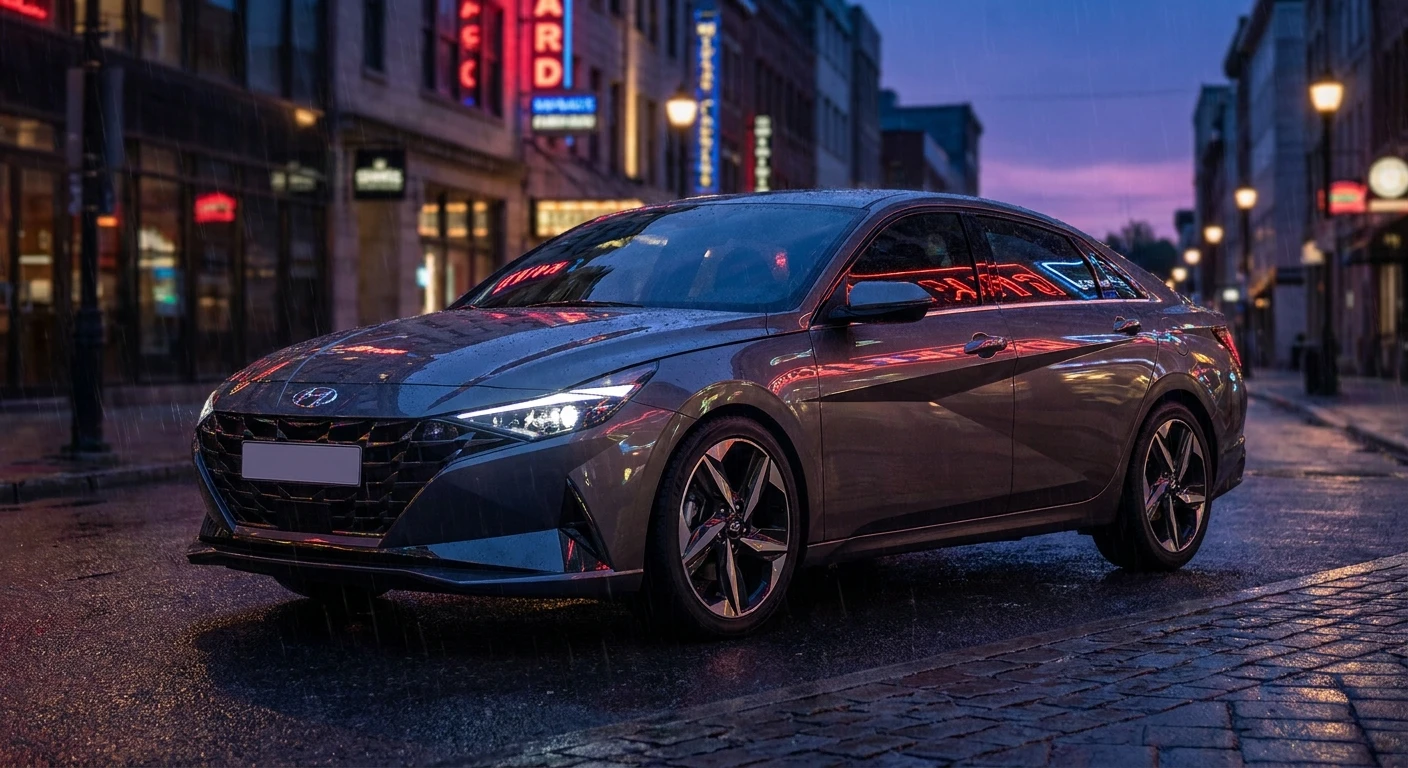
The automotive market is always shifting, but the Kia K4 2025 proves that the compact sedan segment still has plenty of surprises left for drivers. If you have been tracking the rollout of next-generation vehicles, this specific model deserves your immediate attention. It officially replaces the beloved Forte and steps up the game dramatically in terms of design language, interior space, and technological integration. The bold exterior styling, which the manufacturer calls “Opposites United,” draws heavily from their flagship electric vehicles, giving this gas-powered sedan an undeniably futuristic edge.
People want more legroom, better fuel efficiency, and seamless smartphone integration without breaking the bank. This vehicle hits those marks effortlessly. You get a wider stance, a heavily swept-back fastback roofline, and an interior that feels surprisingly cavernous for its class. The core thesis here is simple: compact cars no longer mean compromising on style, space, or comfort. Whether you are commuting across a busy city or planning a long highway drive, this car represents a monumental leap forward for everyday transportation.
Read also: Ultimate 2025 hyundai elantra Review Guide; The Best 2025 buick enclave Review.
Drivers want reliability mixed with striking aesthetics, and the integration of hidden rear door handles and star-map LED lighting delivers exactly that combination. The market response has been phenomenal, and as we look back from early 2026, it is overwhelmingly clear that this model set a completely new benchmark for value-driven cars. You do not have to settle for a boring commuter car anymore.
Key Benefits and Daily Performance
When evaluating a daily driver, the value proposition must be absolutely clear from the moment you sit behind the wheel. The vehicle offers several primary value drivers, but the standout features are class-leading rear legroom and a massive suite of advanced driver-assistance systems that come standard even on the base trims. For example, taller passengers will immediately notice the generous 38 inches of rear legroom, a distinct rarity in this specific segment. Another major value example is the standard lane-keeping assist, forward collision avoidance, and adaptive cruise control, which typically cost extra or require higher trim levels on rival brands.
Beyond comfort and safety, the powertrain options give buyers a choice between reliable efficiency and spirited driving. You can feel the engineering focus placed on ride quality over harsh performance, making it the ideal highway cruiser.
| Trim Level | Powertrain Specs | Defining Feature |
|---|---|---|
| LX / LXS / EX | 2.0L 4-Cylinder (147 hp) with IVT | Standard dual 12.3-inch screen layout |
| GT-Line | 2.0L 4-Cylinder (147 hp) with IVT | Sport exterior styling & larger alloys |
| GT-Line Turbo | 1.6L Turbo 4-Cylinder (190 hp) with 8-speed Auto | Multi-link rear suspension setup |
The daily benefits of owning this vehicle stretch far beyond just the spec sheet. Here are the most noticeable advantages you will experience:
- Enhanced Cabin Quietness: Acoustic windshield glass and extra sound deadening materials make highway conversations easy.
- Next-Gen Infotainment: The Connected Car Navigation Cockpit processes inputs faster, reducing screen lag significantly compared to older systems.
- Ergonomic Superiority: Physical buttons remain for essential climate controls, preventing the frustration of digging through digital menus while driving.
The seamless blend of physical tactility and digital convenience keeps your eyes on the road and reduces driving fatigue.
The Background of the Sedan Redesign
Origins of the Brand’s Compact Cars
To appreciate where this vehicle stands today, you have to look at the lineage it comes from. For decades, the brand built its reputation on manufacturing basic, highly affordable economy cars. Vehicles like the Sephia and the early Spectra iterations were known for their low price tags rather than their aesthetic appeal. However, these foundational models proved that the automaker could produce reliable powertrains that lasted hundreds of thousands of miles, building essential consumer trust globally.
Evolution from the Forte Era
The real shift began when the Forte was introduced. Over three generations, the Forte transformed from a standard economy box into a sharply styled, competitive compact sedan. The introduction of the global alphanumeric naming strategy meant that regional names were phased out to create a unified brand identity. The transition from Forte to the new K-series nomenclature signals a clean break from the past, elevating the car’s perceived status. Designers stretched the wheelbase, widened the track, and applied a fastback silhouette that mimics much more expensive European luxury sedans.
Modern State of the Compact Market
Now in 2026, the compact sedan market is heavily polarized. While some brands have abandoned sedans entirely to focus on crossover SUVs, the commitment to the classic four-door shape remains strong here. The vehicle has fully established itself as a dominant force against legacy competitors. By offering aggressive styling, generous warranty terms, and premium interior materials, it proves that the sedan format is far from dead. Buyers who prefer lower centers of gravity and better aerodynamic efficiency are flocking back to this segment.
Technical and Engineering Breakdown
Aerodynamics and Structural Rigidity
Building a car that feels premium on a budget requires clever engineering, particularly in the chassis. The platform utilizes high-strength tensile steel to increase torsional rigidity. In simple terms, this means the frame of the car resists twisting when you go over bumps or take corners, which prevents squeaks and improves handling precision. Aerodynamically, the fastback roofline is not just for looks; it actively helps air flow smoothly over the rear of the car, reducing the drag coefficient. Lower drag directly translates to better fuel economy at highway speeds and significantly reduces wind noise seeping into the cabin.
Powertrain Dynamics Explained
The engineering behind the transmission choices dictates how the car feels around town. The base engine uses an Intelligent Variable Transmission (IVT). Unlike older, rubber-band-feeling CVTs, this unit uses a chain-type belt and simulated gear shifts to mimic a traditional automatic, providing better responsiveness when you press the gas pedal. Meanwhile, the turbocharged engine drops the dual-clutch transmission of the past in favor of a smoother, traditional 8-speed torque-converter automatic, prioritizing low-speed smoothness in stop-and-go traffic.
- Direct Injection System: Sprays fuel directly into the combustion chamber at extreme pressures for a cleaner, more efficient burn.
- Multi-Link Rear Suspension: Exclusive to the Turbo model, this setup allows each rear wheel to react independently to bumps, keeping the tire patch flat on the road during hard cornering.
- Over-the-Air (OTA) Updates: The vehicle’s computer modules can download software patches remotely, meaning your car’s infotainment and safety systems can improve without visiting a dealership.
Your 7-Day Vehicle Mastery Plan
Getting a new vehicle means learning a completely new interface. Follow this one-week plan to fully master the technology and comfort features.
Day 1: Perfecting Your Ergonomics
Spend your first afternoon adjusting the physical space. Use the power seat controls to find your ideal hip point. Adjust the steering column for both tilt and telescoping reach. Make sure the digital instrument cluster is completely visible through the top half of the steering wheel. Save your settings to the driver profile.
Day 2: Syncing Digital Ecosystems
Bring your smartphone and connect via Bluetooth to activate wireless Apple CarPlay or Android Auto. Familiarize yourself with the layout on the massive center screen. Test voice commands to ensure your contacts and preferred navigation apps are responding properly without touching your phone.
Day 3: Testing the ADAS Safety Suite
Take the car on a well-marked highway. Engage the Highway Driving Assist and adaptive cruise control. Feel how the car maintains its distance from the vehicle ahead and gently nudges the steering wheel to keep you centered in the lane. Adjust the sensitivity settings in the vehicle menu if it feels too aggressive.
Day 4: Exploring Powertrain Modes
Toggle through the drive modes located on the center console. Start in Eco mode to see how the throttle mapping softens for maximum fuel savings. Switch to Sport mode on a curvy road to feel the steering weight increase and the transmission hold higher RPMs for better acceleration.
Day 5: Customizing the Digital Dash
Dive into the display settings. The fully digital gauge cluster offers multiple themes. You can link the theme to your current drive mode or select a dynamic theme that changes based on the time of day and current weather conditions outside.
Day 6: Optimizing Climate Controls
Play with the multi-zone automatic climate control. Learn how the physical buttons interact with the dedicated climate display. Test the heated and ventilated seats (if equipped) to see how quickly they respond, and set up the auto-defogging feature for rainy days.
Day 7: Evaluating Fuel Economy Routines
Check your trip computer data after a week of driving. Compare your actual MPG against your driving habits. Use the detailed energy flow screens to see where you are braking too harshly or accelerating too fast, allowing you to tweak your habits for cheaper trips to the gas station.
Common Myths and Reality
Myth: Sedans are entirely obsolete because everyone needs an SUV for cargo space.
Reality: Compact sedans still provide massive trunk volumes—over 14 cubic feet here—which is more than enough for weekly groceries, golf clubs, or multiple large suitcases, all while offering far better fuel economy.
Myth: A 2.0L naturally aspirated engine is too sluggish for modern highway merging.
Reality: While it is not designed as a track car, the tuning of the IVT ensures that the engine stays in its optimal torque band when you demand power, providing completely safe and predictable merging speeds.
Myth: You have to buy the absolute highest trim level to get good technology.
Reality: The foundational tech, including the large dual-screen layout and robust active safety sensors, is standard on the base LX trim.
Myth: The heavily sloping fastback roofline ruins headroom for rear passengers.
Reality: Engineers angled the rear seat bench perfectly, allowing adults up to six feet tall to sit comfortably in the back without their heads brushing the headliner.
Frequently Asked Questions
Is it available in all-wheel drive?
No, the vehicle is exclusively front-wheel drive, which helps keep the weight down and the fuel efficiency high.
What is the warranty length?
It comes with a class-leading 10-year or 100,000-mile powertrain warranty, ensuring long-term peace of mind.
Does it have a wireless phone charger?
Yes, wireless charging is available on the mid-level and higher trims, conveniently located in the front center console.
How large is the trunk exactly?
The trunk offers approximately 14.6 cubic feet of space, supplemented by 60/40 split-folding rear seats for longer items.
Is the GT-Line available with a manual transmission?
No manual transmission is offered. The turbo model uses a traditional 8-speed automatic, while standard models use the IVT.
Does this vehicle replace the larger K5?
No, it serves as the direct replacement for the smaller Forte, slotting right beneath the midsize K5 in the lineup.
Are routine maintenance costs high?
Because it shares components with millions of other global vehicles, parts and routine maintenance remain highly affordable.
Can I get a sunroof?
Yes, a power sunroof is an available option on higher trim levels, bringing extra light into the spacious cabin.
Ultimately, the compact sedan market is thriving because of bold engineering choices like this one. It blends striking visual appeal with everyday practicality, all wrapped in a highly dependable package. If you are ready to experience the perfect balance of tech, comfort, and economy, contact your local dealership and schedule a test drive today!




Leave a Reply